Five Ways to Choose a Bathroom Style for Your Glasgow Home
Updated 11 October 2026
Choosing a bathroom style becomes easier when you separate the look you like from the layout you need. Modern, traditional and mixed designs can all work in Glasgow homes. Start with a few clear choices about colours, shapes and finishes instead of collecting unrelated products.
1. Identify the parts of photographs you like
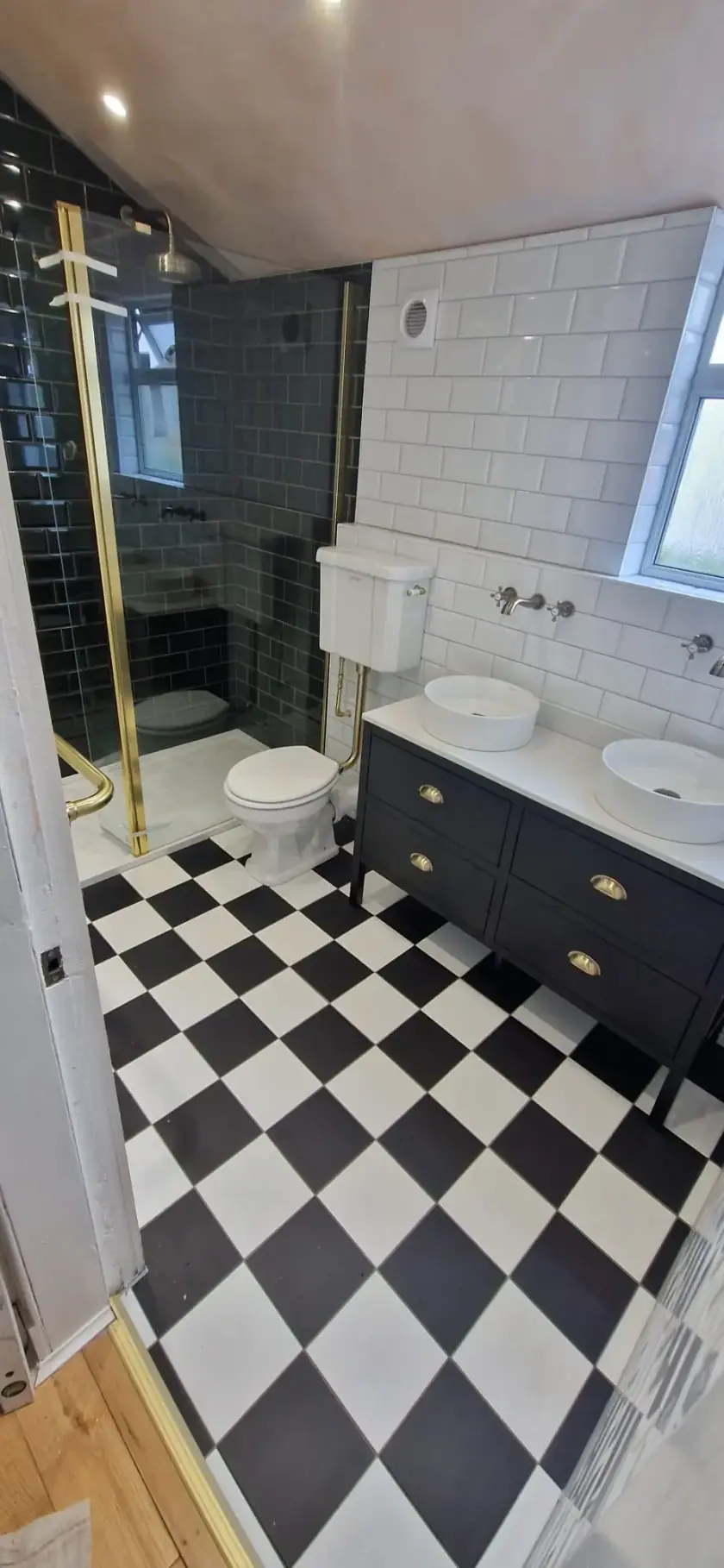
Choose a small selection of reference photographs and name what appeals in each one. It might be the simple vanity, pale walls, patterned floor or shape of the taps. This helps distinguish a useful idea from a room that happens to look impressive because it is much larger or more brightly lit than yours.
Compare the room proportions with your own bathroom. An oversized bath or double vanity may dominate a compact space, even if the style is attractive. Keep the idea that works, such as the colour or finish, and find a fitting of suitable size. You do not need to copy the whole room to achieve a similar feel.
Write a short description in ordinary language: for example, light walls, wood-tone storage and simple chrome fittings. That is a clearer brief than asking for something luxurious or timeless without explaining what those words mean to you. Use the description to check later choices so the scheme does not become a mixture of competing ideas.
2. Decide what belongs with the existing room
Look at features you want to keep, including a window, door, cornice or existing floor where suitable. These may guide the colours and shapes of the new fittings. An older home does not require every product to look old, and a newer home does not rule out traditional details. Choose combinations that look comfortable together.
Traditional bathroom fittings often use more detailed shapes, while modern ranges may have simpler lines. Both still need to be usable and suitable for the room. Try the handles and compare cleaning access rather than choosing only by appearance. Our traditional bathroom options show one direction to discuss alongside contemporary choices.
If the building is listed, flag that before planning changes to original features. Necessary permission checks depend on the proposed work, not on whether the replacement looks sympathetic. Keep the building's requirements separate from the decorative choice. A design can respect the room's character while still improving storage, washing space and everyday comfort.
3. Choose a small set of permanent finishes
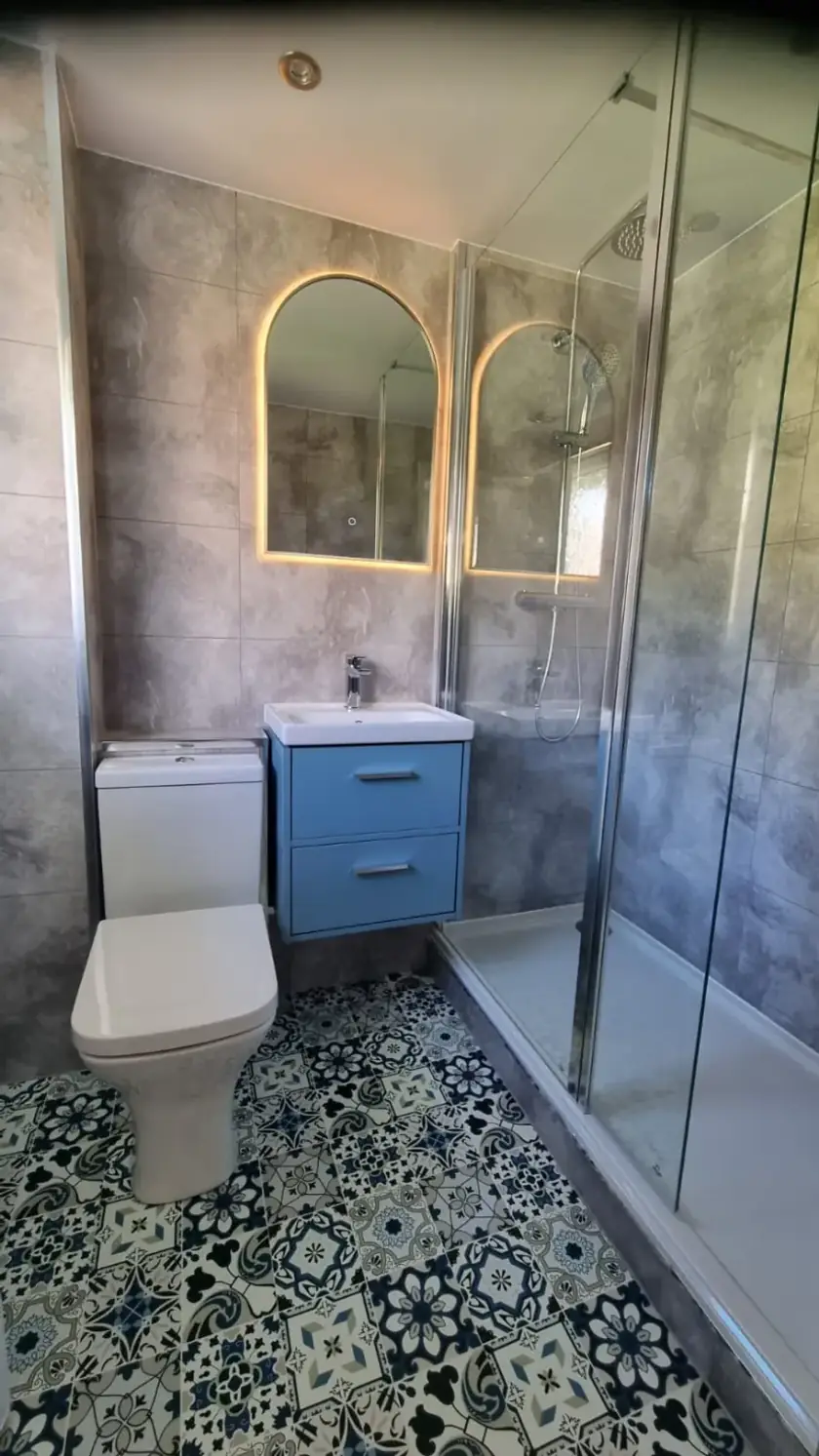
Start with the largest surfaces: walls, floor and furniture. Choose one main colour or pattern, then supporting finishes that do not compete with it. A strongly patterned floor may suit plainer walls, while a stone-effect shower wall can work beside simple furniture. You do not need a feature on every surface.
Compare actual samples together in the bathroom's light. Warm whites, greys and wood effects can look different beside one another than they do separately online. Check the intended lighting too. A colour you like in daylight should still be comfortable in the evening, when the room may be used most often.
Select tap and accessory finishes after the main surfaces. Similar names such as brushed brass can describe noticeably different colours between manufacturers. Compare samples where possible and read the care instructions. Choose a finish you are happy to maintain rather than assuming one metal colour is always more practical or more expensive-looking than another.
4. Keep useful fittings ahead of decorative extras
The style should work with a layout that allows doors and drawers to open and people to move comfortably. Choose the bath or shower around actual use. A large decorative fitting is not an improvement if it makes cleaning difficult or removes the storage the household needs. Resolve those practical questions before finalising the product list.
Give everyday items a home so the chosen surfaces remain usable. A simple vanity or mirror cabinet may make the room look tidier than additional decorative shelves. Check internal dimensions and pipe access. A bathroom photographed without toiletries can be misleading if the design offers nowhere for normal belongings once the household starts using it.
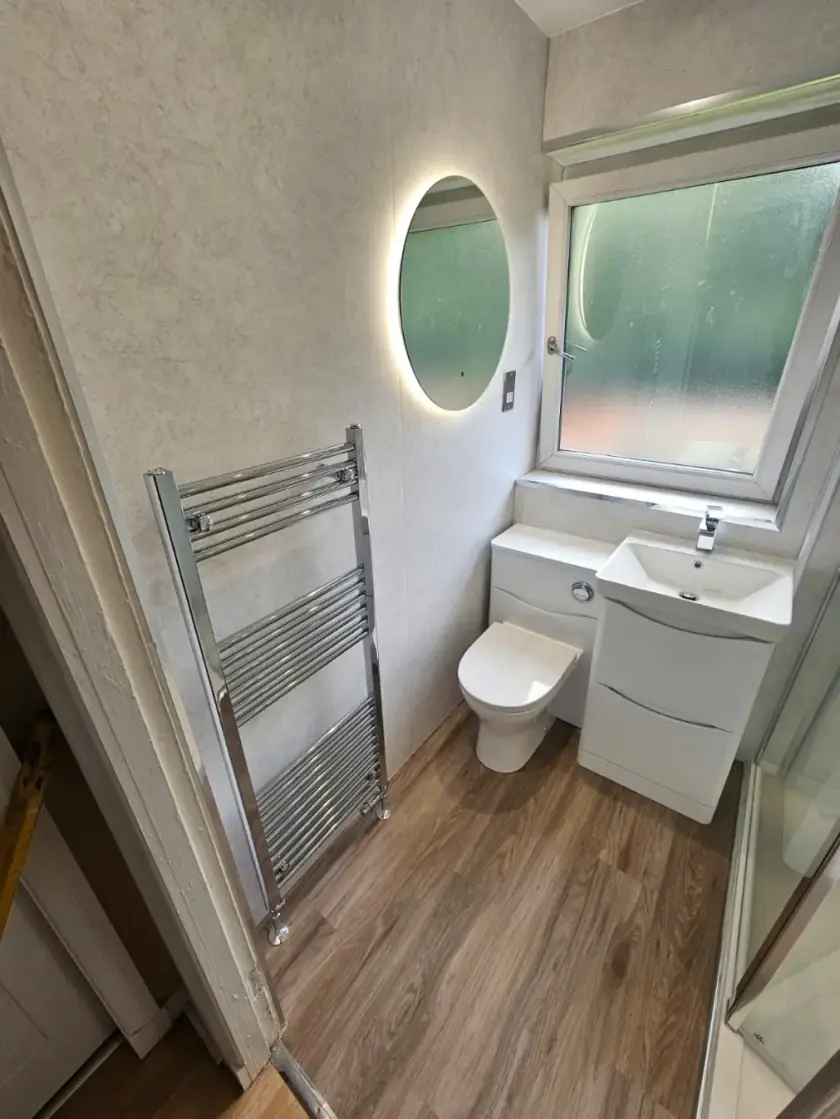
Plan useful lighting, heating and ventilation with the relevant trades. These affect how the room feels every day but should not be selected purely for appearance. A towel rail must suit its intended heating role, and a shower must suit the water supply. The finished style should sit on top of a practical, properly specified room.
5. Keep some choices easy to change
Towels, simple accessories and suitable painted areas can provide colour without committing every surface to a strong theme. Choose permanent fittings you expect to enjoy for ordinary use, then add personal touches gradually. There is no need to buy every matching accessory before you know how the finished room will be used.
Compare the full installed cost before approving the design. Keep necessary preparation and repairs in the budget, with optional extras clearly identified. If a feature costs too much, look for another way to achieve the part you like, such as a similar colour in a simpler finish. Avoid sacrificing good fitting for an expensive decorative product.
Our bathroom design service in Glasgow can help turn your preferences into a clear scheme and layout. You can also explore our modern bathroom designs. Call Dream Bathrooms Glasgow on 0141 471 9145 with a few reference photographs and a short description of the bathroom you want.
Plan your bathroom in Glasgow
Talk through your room, the changes you want and the work that needs to be included.