
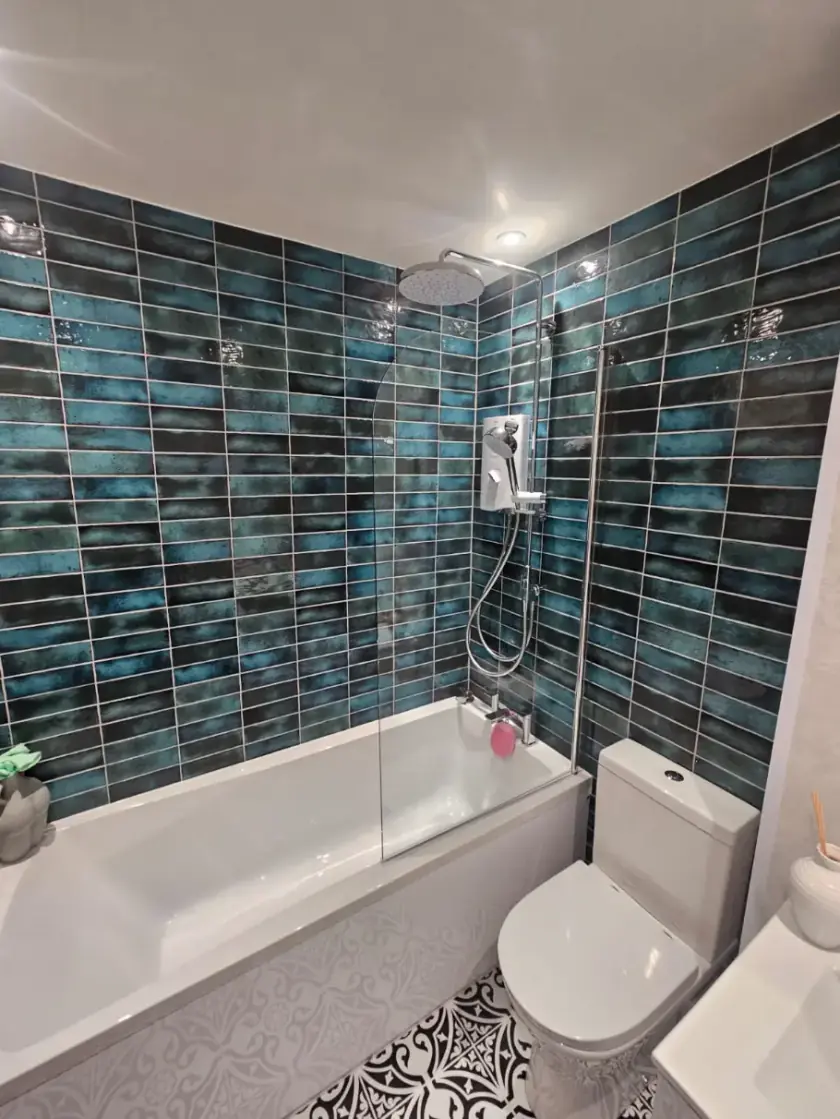
Electric or Mixer Shower: Choosing for Your Glasgow Home
Updated 11 October 2026
An electric shower heats cold water inside the shower unit. A mixer shower combines hot and cold water from the home's supplies. Neither is automatically the better choice. Have the existing water and electrical systems checked, then compare the flow, controls, installation work and running costs of products that suit your home.
Understand where the hot water comes from
An electric shower uses an internal heating element, so it does not rely on the home's stored hot water or boiler to heat the shower water. It still needs a suitable water supply and electrical installation. A power cut or unsuitable supply will affect it, so independence from the boiler is not a guarantee of uninterrupted use.
A mixer shower takes hot water from the existing system and blends it with cold. Its performance depends on that system and the available supply. Mira's electric and mixer shower guide explains the basic distinction. A power shower is another arrangement and should not be confused with an electric shower simply because it uses electricity.
Have pressure and flow checked before buying
Ask the installer to check the requirements of the exact product against the home's supply. Pressure and available flow are related but different checks, and the number of outlets in use can affect performance. An upstairs flat or older property does not automatically need one shower type; the actual system matters more than the building label.
Tell the installer whether other taps or showers are commonly used at the same time. A large overhead head may require more water than the system can provide comfortably. If a pump or other supply change is proposed, ask why it is suitable and what maintenance it involves. Not every system can take the same addition.
Check the electrical work for an electric shower
An electric shower needs a suitably designed electrical supply for its rating and installation. Have a qualified electrician assess the existing circuit, protection and connection. Do not assume a more powerful replacement can simply be connected where the old unit was. The correct design depends on more than the product's kilowatt figure.
Include any necessary electrical changes and repairs to walls and floors disturbed by the work in the quote. Check the proposed unit's water inlet and cable entry positions too, especially for a replacement. A different layout can require pipe or wall work even if the new case looks similar. Keep the selected model details clear so the installation is assessed for the right product.
Match a mixer shower to the hot-water system
A mixer must be suitable for the boiler, cylinder or other hot-water arrangement in the home. Ask how much hot water is available during the busiest period and what performance to expect. If an upgrade is needed, include its price and the work involved before choosing the shower. A new valve cannot solve every limitation in the supply behind it.
Choose exposed or concealed controls with service access in mind. An exposed valve can make some maintenance simpler, while a concealed system needs a clear plan for reaching the working parts. Check replacement-part availability for either. The head, hose and valve should form a compatible arrangement rather than a collection chosen only for matching finishes.
Compare temperature controls and everyday use
Thermostatic controls are designed to help regulate temperature, but they need correct selection, installation and maintenance. Ask what protection the proposed model provides under its specified conditions. Do not treat any label as a reason to stop checking water temperature or supervising someone who needs help. Choose controls that the household can reach and operate comfortably.
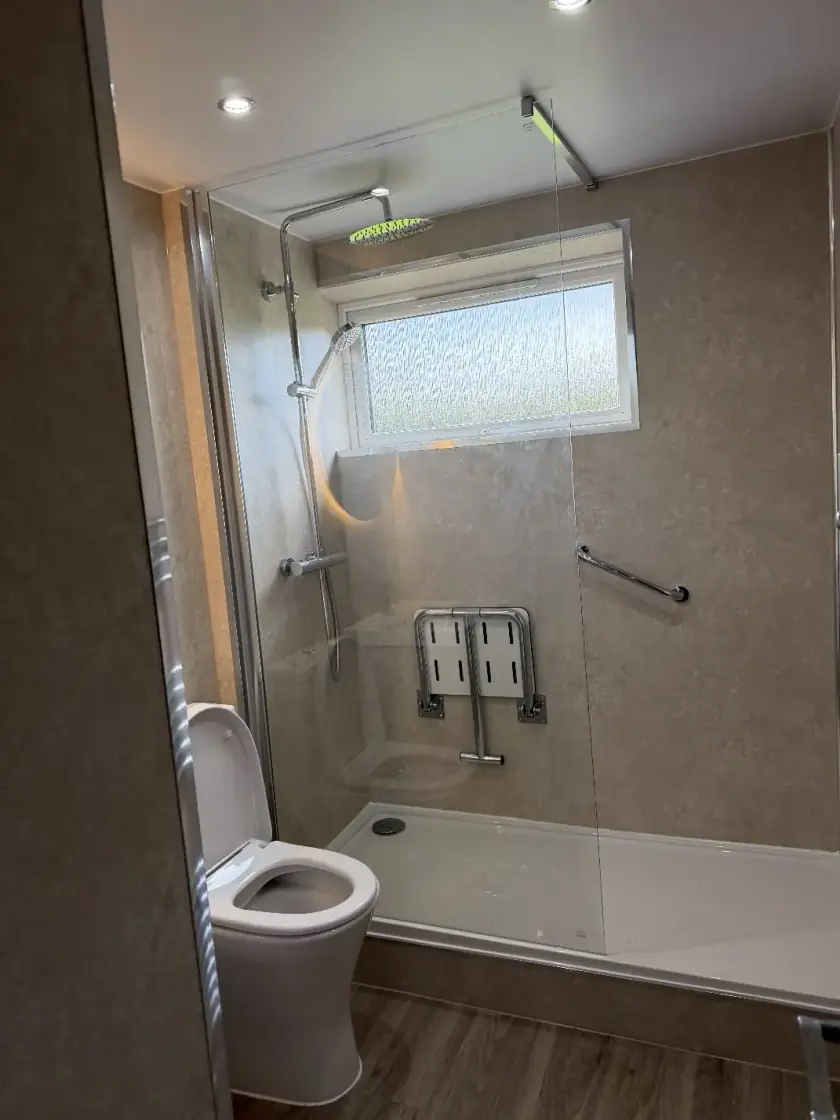
Position the controls so starting the shower does not require an awkward stretch. Check adjustable head height, hose reach and access for cleaning. A simple arrangement may be more useful than several outlets in a small enclosure. If someone has particular mobility needs, plan the full space and support arrangements around appropriate individual advice.
Compare total cost rather than the unit price
Include the shower, electrical or plumbing work, preparation, screen or tray changes and repairs to walls and floors disturbed by the work. A low-cost electric unit may need substantial circuit work; a mixer may need hot and cold pipe routes or changes to the existing system. Compare quotes covering the same finished result so necessary work is not hidden outside the headline price.
Running cost depends on shower duration, flow, water temperature, the heating system and your energy tariff. Do not assume electric is always cheaper because it heats on demand, or that a mixer is free to run when the boiler is already used elsewhere. Ask for an explanation using your intended routine and actual system.
Check cleaning and repair requirements
Use the supplied head and hose or replacements specifically approved for the shower, particularly with electric models. Follow the product's cleaning and descaling instructions rather than opening the unit or treating internal components yourself. If temperature or flow changes unexpectedly, have the fault checked by the appropriate professional instead of repeatedly adjusting unfamiliar parts.
Keep the model number, instructions, guarantee and installer details together. Ask what can be replaced and how service access works. A regular drip, damaged hose or leak around the unit needs attention. Good maintenance also includes the surrounding screen seals and drainage, because the shower system is only one part of keeping water where it belongs.
Plan the shower with the rest of the bathroom
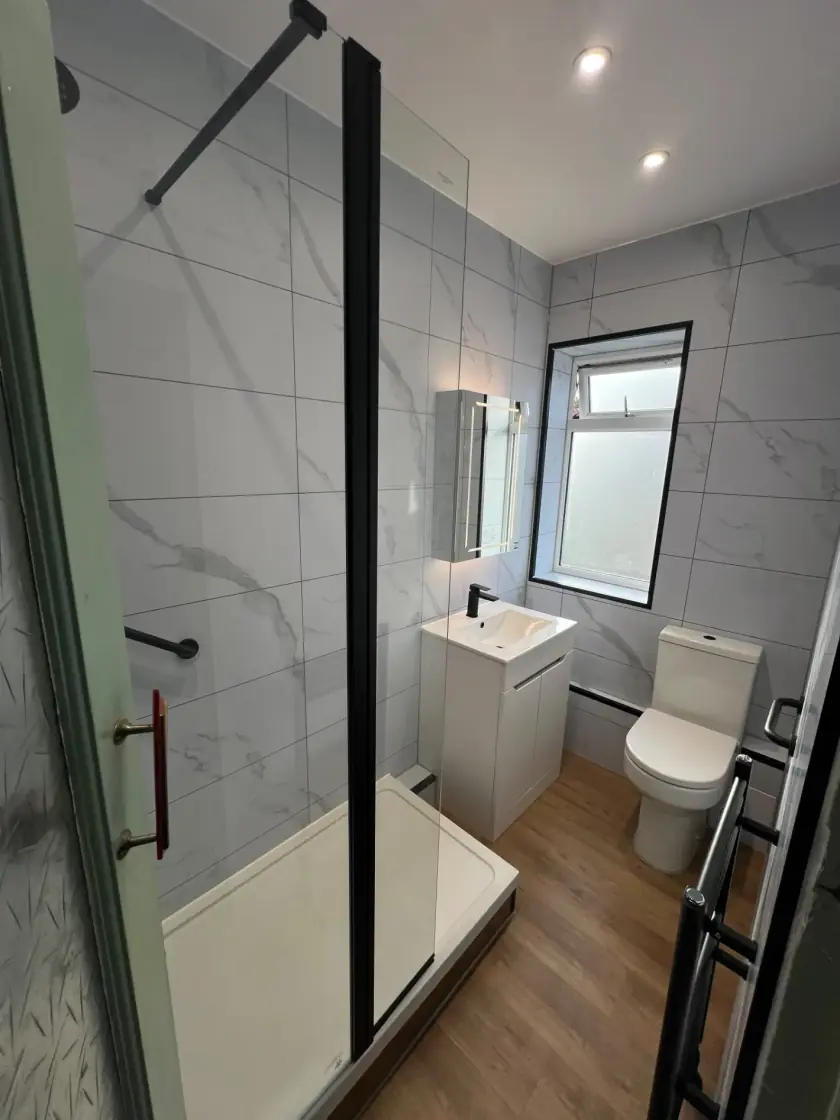
The enclosure needs enough entrance space, useful storage and a reachable towel position. The shower spray and screen should work together to contain splashes. Our compact shower room guide explains these layout decisions. Choose the water system first from suitable options, then coordinate its appearance with the wall finish and fittings.
Our bathroom installation service in Glasgow brings design, supply and fitting together. Call 0141 471 9145 or request a free home design visit. Explain what you want to improve about the current shower so the recommendation addresses its actual performance and use.
Plan your bathroom in Glasgow
Talk through your room, the changes you want and the work that needs to be included.