
Five Bathroom Choices That Make Future Changes Easier
Updated 11 October 2026
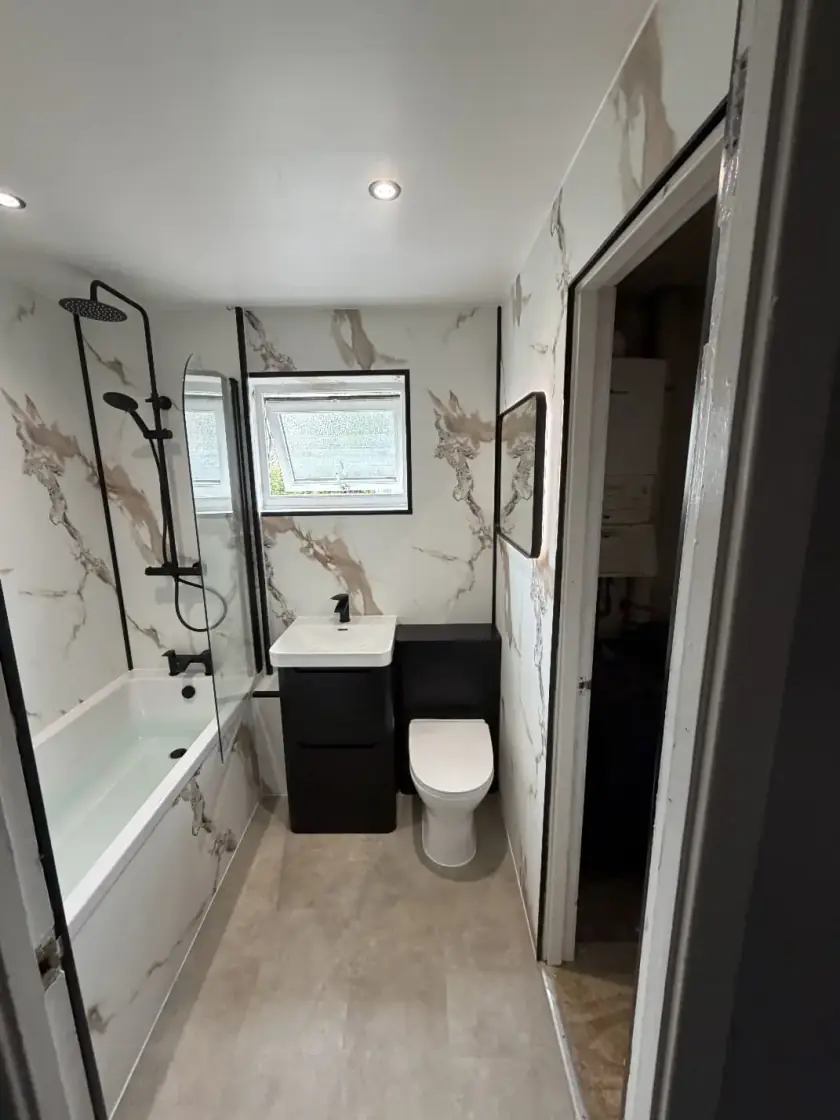
No bathroom can be guaranteed to suit every need for the next ten years. You can, however, choose a sensible layout, repairable fittings and finishes you can look after. These five points help Glasgow homeowners plan beyond the first few weeks after a refit, without paying for gadgets or structural work they may never need.
1. Leave useful space around the fittings
Think about likely changes in your household, as well as today's routine. Children may need a different bathing arrangement as they grow. Someone may need more room to move or help with washing later. You cannot predict everything, but a clear route through the room is useful now and leaves more options than squeezing furniture into every spare corner.
Draw the room with doors and drawers open. Check the shower entrance, space beside the toilet and access to towels. Wall-hung fittings are not automatically suitable for wheelchair use, and a taller toilet does not suit every person. If there is an existing health or mobility need, seek individual advice before choosing permanent fittings. The layout should follow the person, not a product label.
Ask whether any preparation for a later change would be sensible during the refit. Suitable wall support for agreed grab-rail positions may be easier to include before the wall is finished. Keep a record of its location. Our guide to making a bathroom easier to use explains why support, space and individual assessment need to be discussed together.
2. Keep plumbing and controls accessible for repairs
Concealed fittings can look neat, but moving parts still need maintenance. Ask how the shower valve, cistern and basin waste will be reached after installation. An access panel should be practical to remove and large enough for the intended work. It should not become hidden behind permanently fixed furniture. Agree these details before tiling or wall panels are fitted.
Check whether replacement cartridges, seals and other service parts are available for the products you are considering. Keep the exact model references and supplier details. A familiar brand name alone does not identify the right replacement part years later. Ask what the product warranty covers, what it excludes and who deals with a fault. Product and installation responsibilities may differ.
Simple controls may be easier to keep using than a system dependent on an app or a particular connected service. If you choose digital fittings, ask how they operate without a phone and how batteries, power supplies or control units are accessed. Extra features should solve a real problem for you rather than merely make the specification longer.
3. Choose finishes for their actual care requirements
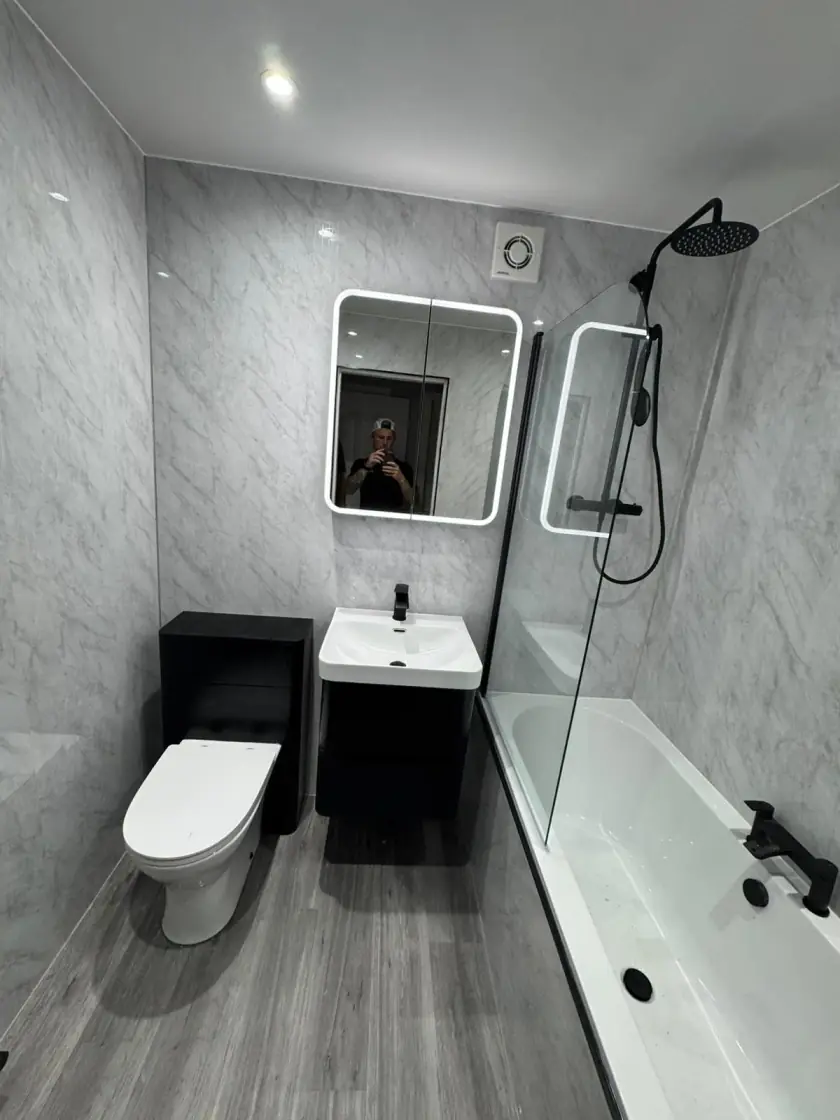
Ask for cleaning instructions before selecting taps, furniture, screens and surfaces. Some finishes need gentler products than others. A surface described as easy-clean still needs regular care, while textured floors or deeply shaped tiles may take more effort to wipe. Compare that work with the way you normally clean, especially if several people share the bathroom.
Waterproofing is part of the installation, not a property you can assume from the visible finish alone. Tiles and grout do not make the whole construction waterproof by themselves. Wall panels need the correct joints, seals and preparation. Ask the installer to explain the proposed system and how areas around the shower, bath and pipe openings will be finished.
Avoid choosing on warranty length alone. The conditions, installation requirements and available remedy matter as much as the number of years printed on the packaging. Retain care instructions with receipts and model details. Our wet wall bathroom page explains one wall-finish option, including the need for suitable installation and ongoing care at joints.
4. Make storage and heating easy to adjust
Choose storage around daily items, with some room for changes. Adjustable shelves or removable drawer dividers can be useful as the contents change. Check the usable interior rather than only the outside dimensions. Keep regularly used items within comfortable reach. Tall cupboards are less helpful if the only available shelf requires someone to stretch or stand on a stool.
Do not hide service access behind storage. A cupboard may fit neatly beside the toilet yet prevent a cistern panel being removed. Leave a clear route to valves and other parts the installer identifies. Keep the furniture arrangement simple enough that smaller items can be changed later without replacing every fitting. Matching every accessory is less important than keeping the room workable.
Ask for heating controls you understand and can reach. The heating choice should suit the room's heat needs and the home's system. Underfloor heating, a radiator and a towel rail perform differently and have different installation costs. There is no guaranteed saving from choosing the most advanced control. Learn how the actual system works and keep its instructions at hand.
5. Keep a clear record of the finished bathroom
Before work starts, agree what is included, which products will be supplied and how unexpected repairs will be discussed. An allowance for hidden damage is different from an open-ended agreement to extra work. Ask how changes are priced and approved. This helps you make decisions during the refit without losing track of the work you originally agreed.
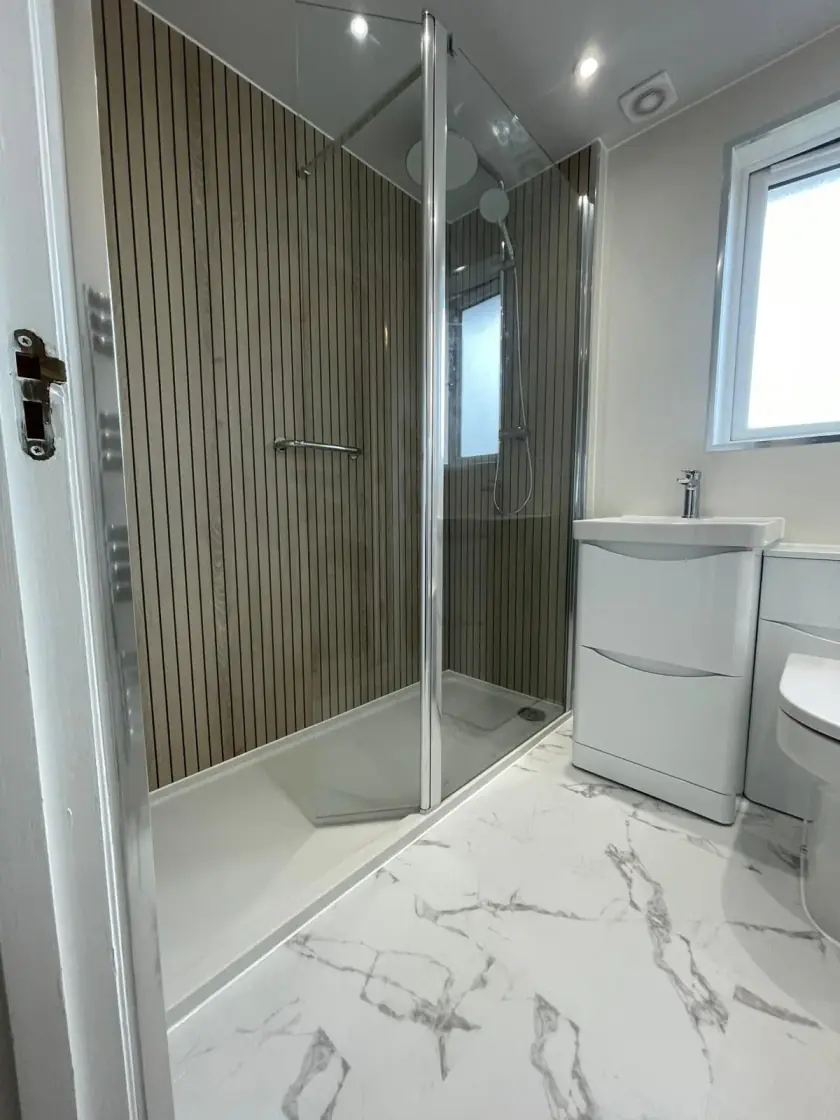
At handover, collect the product details, relevant certificates, guarantees and care instructions. Ask for photographs of useful concealed work, such as agreed wall support or pipe routes, where available. Keep them with the final layout and invoices. These records can make a later repair or adaptation easier because another installer does not have to guess what is behind the finish.
For a new refit, start with the problems you want to solve and the budget you are comfortable spending. Our bathroom installation service in Glasgow is the next step for discussing the work. Call 0141 471 9145 and bring your priorities. Good long-term planning means understandable choices and accessible repairs, not a promise that nothing will ever need changing.
Plan your bathroom in Glasgow
Talk through your room, the changes you want and the work that needs to be included.