
Five Questions for a Bathroom Installer in Glasgow
Updated 11 October 2026
Choosing a bathroom installer is easier when you ask specific questions and compare the answers in writing. Look beyond photographs and a headline price. You need to understand who will do the work, what is included and how decisions or problems will be handled in your Glasgow home.
1. Have you completed work like this?
Ask about projects similar in size, construction and work involved to yours. Replacing a suite in its existing positions is different from moving drainage or altering a room. An installer should be able to explain relevant experience and the checks needed for your proposal. A local address alone does not establish that experience.
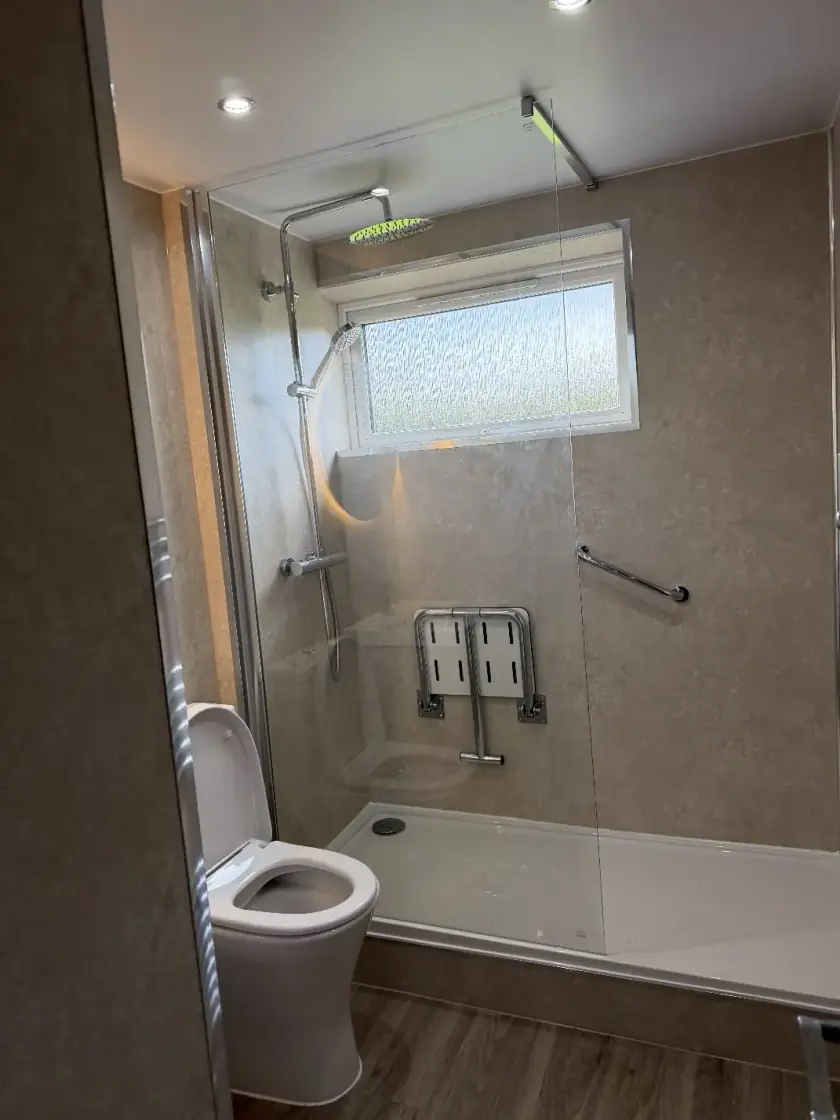
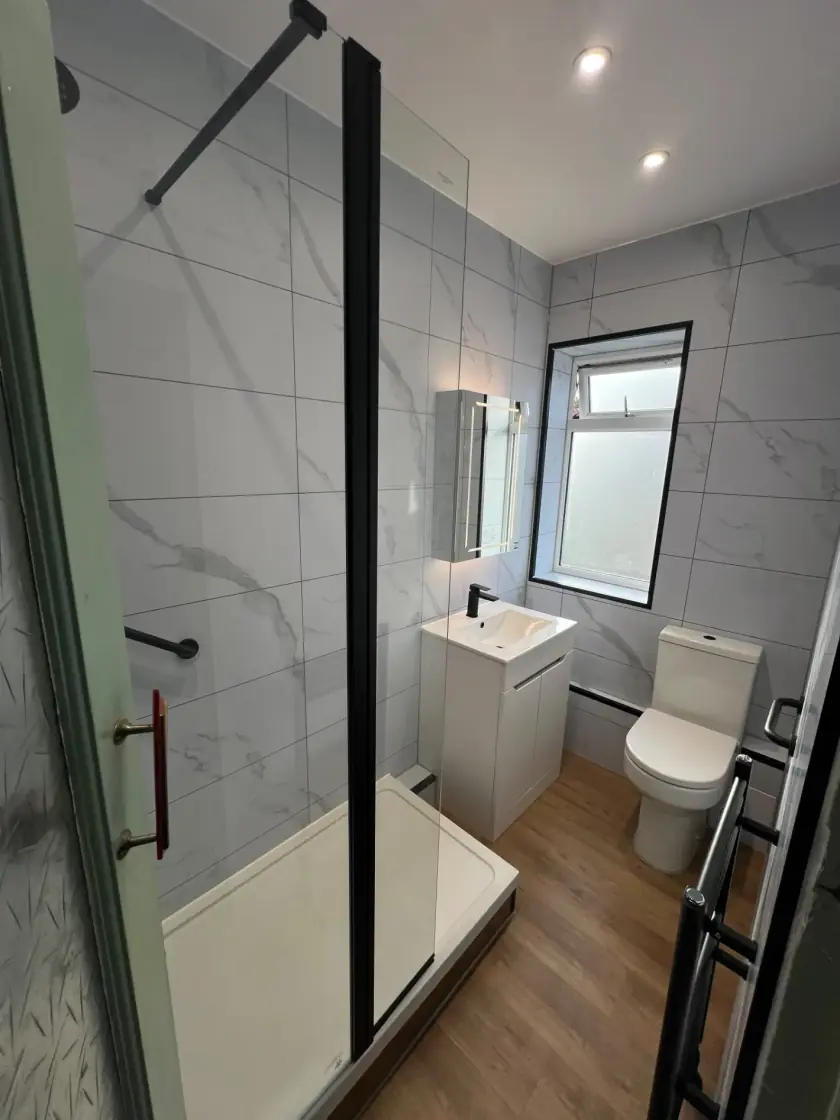
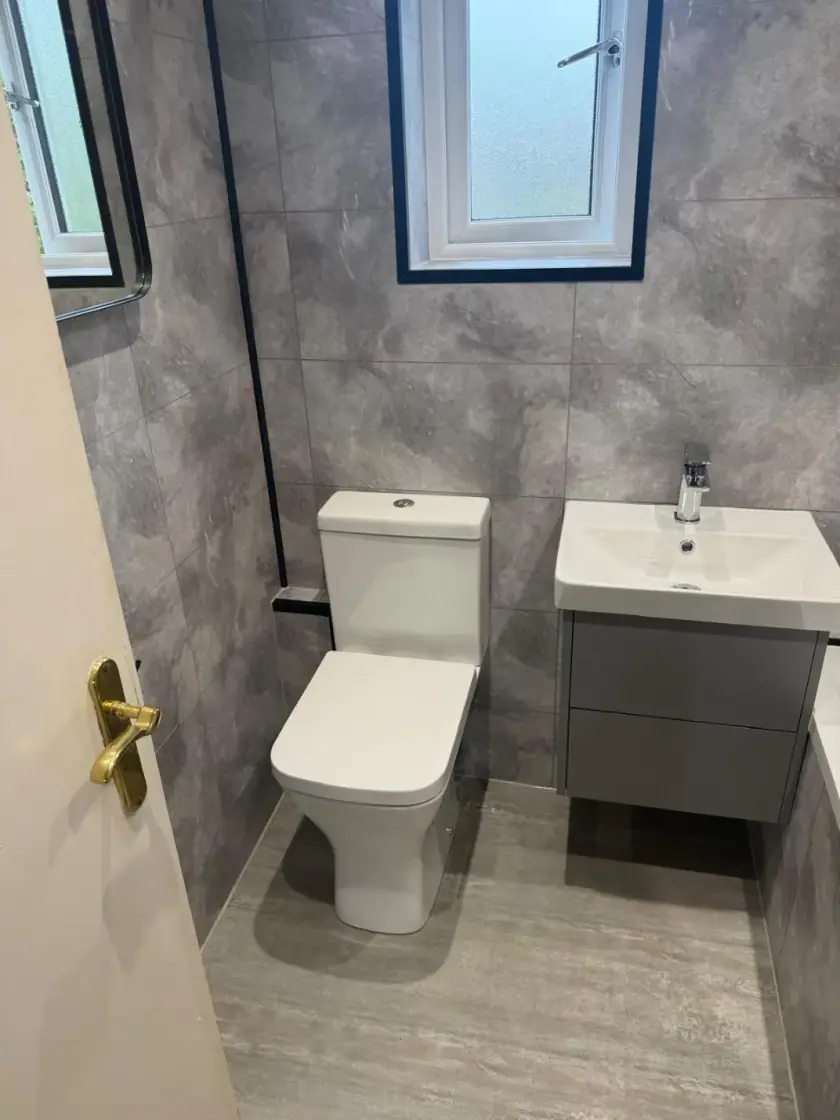
Ask which portfolio photographs show the company's own completed work and what was included in those jobs. A photograph can show finishes but not every detail of preparation or installation. If references are available with the customers' permission, ask about communication, unexpected changes and how any issues were handled, as well as the final appearance.
Read reviews for useful detail rather than relying only on the average score. Look for patterns across recent feedback, including the company's response to problems. A review mentioning a Glasgow street is not proof by itself. Treat reviews, references and photographs as pieces of evidence to compare alongside the actual proposal for your room.
2. Who will carry out each part of the job?
A bathroom may need several trades, including plumbing, electrical work, joinery and fitting wall or floor finishes. Ask who is responsible for each part and who coordinates them. A small team and a larger company can have different working arrangements; what matters is that the responsibilities and contact details are clear.
Ask about relevant competence, qualifications and insurance for the proposed work. If a trade membership or registration is claimed, check it with the issuing organisation. Where gas work is actually involved, the engineer must be appropriately Gas Safe registered for that work. Do not use one badge as a substitute for understanding the work and skills required.
Ask how the installer will identify any necessary building warrant or other permission, and who handles applications if needed. Shared services, listed status and structural changes may affect the project. You should receive an explanation tied to your home and proposal rather than a blanket assurance that bathroom work never needs approval.
3. What exactly does the quote include?
The quote should name the main fittings and finishes, with enough detail to identify what you are buying. It should explain removal, preparation, installation, repairs to walls and floors disturbed by the work and rubbish disposal where included. Ask about electrics, ventilation and any work outside the room. A phrase such as fully fitted should not leave those responsibilities uncertain.
Compare quotations for the same work and products. One price may include repairs or finishing that another excludes. If an amount is an estimate or allowance rather than a fixed item, ask what will determine the final cost. Keep optional upgrades separate so that you can see the price of the agreed bathroom without extras obscuring it.
Agree how concealed damage and additional work will be handled. Ask whether you will receive photographs or an explanation, a proposed price and an opportunity to approve the change before it proceeds. Keep the payment schedule and changes in writing. A promise of no surprises is less useful than a clear process for dealing with a real problem.
4. How will you manage the work in my home?
Ask for a schedule based on the actual room and product availability. Find out when the bathroom will be unavailable and what arrangements are needed if it is the only one. Deliveries, preparation, drying time and checks all affect the sequence. Be cautious about a finish date that has not allowed for those parts of the work.
Discuss access, parking, protection of floors and removal of rubbish. In a flat, shared stairs and services may need additional arrangements. Explain restrictions the installer may not know about. Agree the working hours and who to contact if there is a concern while the work is underway. Practical details should be settled before removal begins.
Notice whether answers are clear and specific. You should be able to understand why a proposed fitting will or will not work without translating technical language. If the design changes, ask for the effect on cost and timing to be confirmed. Good communication includes explaining limits and alternatives, not simply agreeing with every idea.
5. What happens at handover and afterwards?
Ask how the completed work will be checked and how any remaining items will be recorded. The shower, taps, drainage, heating and ventilation should be explained as appropriate. Keep the product instructions, model details and any required certificates. Find out when new seals or finishes can be used and how they should be cleaned.
Request the actual written terms of any workmanship cover and the separate product terms. Ask who to contact about a leak, faulty fitting or adjustment, and how a complaint is raised. Do not assume all products and labour share one warranty period. Clear records and a named contact are more useful than an undefined promise of lifetime support.
Our bathroom installation service in Glasgow is a starting point for discussing your bathroom and the work needed. For preparation after choosing an installer, read our bathroom refit preparation guide. Call Dream Bathrooms Glasgow on 0141 471 9145 to discuss the room and the work you want quoted.
Plan your bathroom in Glasgow
Talk through your room, the changes you want and the work that needs to be included.