
Five Ways to Prepare for Your Glasgow Bathroom Refit
Updated 11 October 2026
A bathroom refit is easier to live through when the decisions and practical arrangements are made before removal starts. These five steps help Glasgow homeowners prepare the room, products and household, while leaving a clear way to deal with questions during the work.
1. Agree a short brief everyone understands
Write down the improvements you want in ordinary terms: an easier shower, more storage, a bath that fits or less cleaning around awkward corners. Include the needs of everyone who uses the room. Keep essential changes separate from optional finishes, so that a budget decision does not accidentally remove the main reason for the renovation.
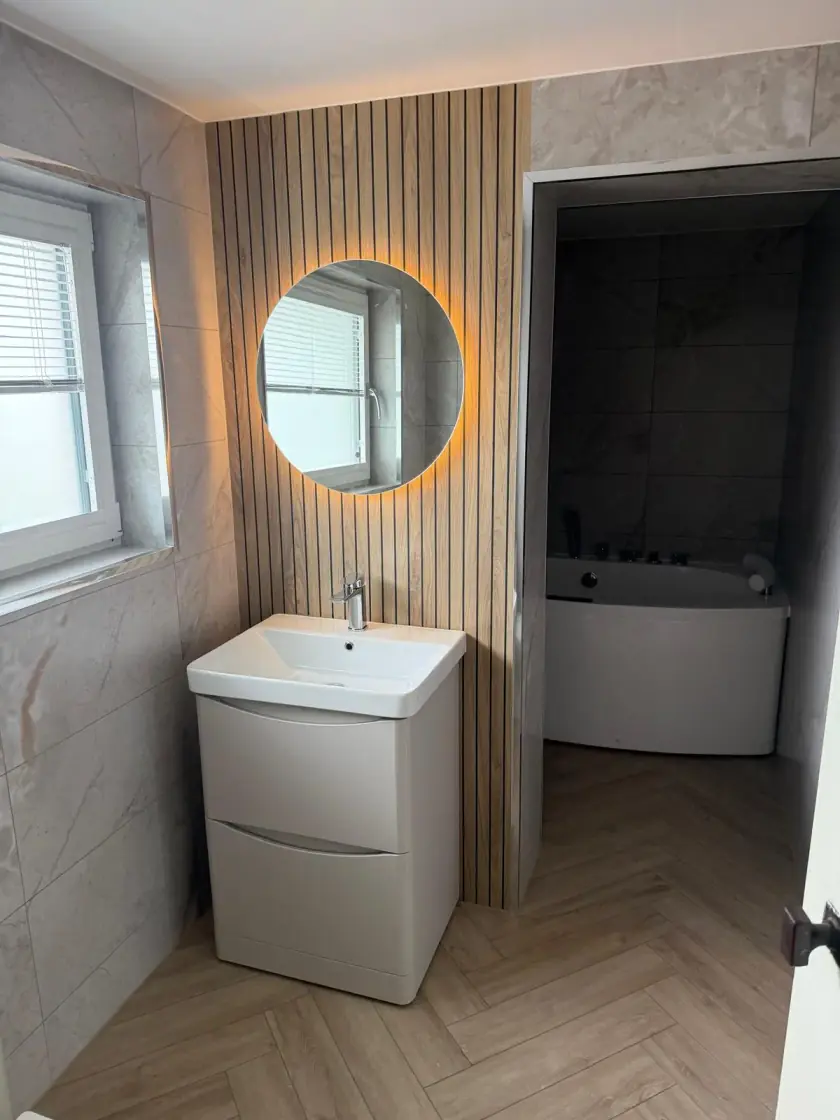
Gather a few photographs that show the particular features you like. Explain whether it is the colour, storage, shower entrance or overall arrangement that appeals. A large photographed bathroom may not translate directly into your room. Ask for the proposed layout to show actual product sizes, door openings and standing space before settling on it.
Once agreed, keep the brief and drawing together. Changing a tap colour is different from moving a toilet or replacing a bath with a level shower. If priorities change, ask how that affects the work and price before giving instructions. A clear record helps avoid several people remembering the same conversation differently.
2. Check the quote and product list
The written quote should explain removal, preparation, plumbing, electrical work, finishes, fitting and rubbish disposal where included. It should also identify exclusions and any assumptions about the existing room. Ask what happens if damaged flooring or pipes are uncovered. The answer should explain how the problem and proposed cost will be put to you.
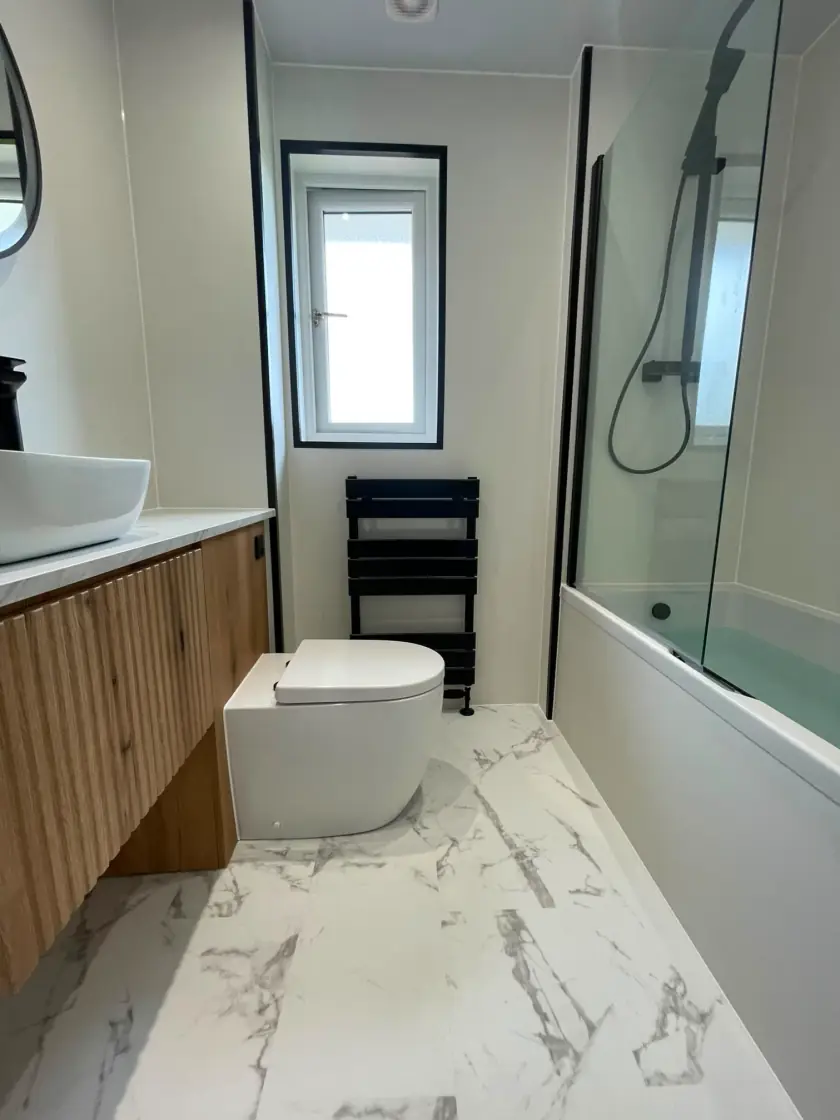
Check the named products against the layout. Make sure the shower, screen, basin, toilet and furniture are the versions you chose, including sizes and finishes. Similar product names can cover different arrangements. Keep optional extras separate from the agreed work so that the final price remains understandable rather than becoming a collection of small unexplained additions.
Agree the payment schedule and keep the relevant paperwork. If products are being bought separately, tell the installer and provide specifications before ordering. Our supply-only and fully fitted comparison explains the responsibilities to clarify. Whichever approach you choose, somebody needs to check that the products and room work together.
3. Confirm deliveries and access
Ask when the necessary products must be available and who will receive and inspect them. Check for suitable storage that keeps items protected and does not obstruct the home. A missing waste fitting or damaged shower screen can affect the schedule even if the larger products have arrived. Report delivery problems through the agreed contact promptly.
Tell the installer about stairs, narrow doors, parking and access restrictions. In a flat, agree how communal areas will be protected and kept clear. Any necessary arrangements involving a factor, landlord or shared services should be handled before dependent work starts. Do not assume the contractor knows restrictions that apply to your particular building.
Clear personal belongings from the bathroom and the agreed access route before the start. Decide where household members and pets will be during noisy or disruptive work. Ask which areas need to remain accessible to the trades. These arrangements are simple, but they can make the first days less difficult for everyone in the home.
4. Plan for the bathroom being unavailable
Ask when the toilet, shower and bath will be out of use. If this is the only bathroom, make a practical plan in advance. Do not rely on an assumption that a fitting can be reconnected each evening. The work, preparation and drying times may make that impossible at particular stages.
Agree how the schedule will be updated if circumstances change. Hidden damage, product delays or required approvals can affect the sequence. A useful update explains what has changed, what decision is needed and what it means for the next stage. Keep expectations based on the actual project rather than a general promise that every bathroom takes the same number of days.
Choose one main contact for questions and decide how decisions will be confirmed. Be available for necessary choices, such as an agreed repair or final accessory position. At the same time, avoid repeated changes to settled details while work is underway. Late changes can undo completed work or require different materials and additional drying time.
5. Leave time for checks and handover
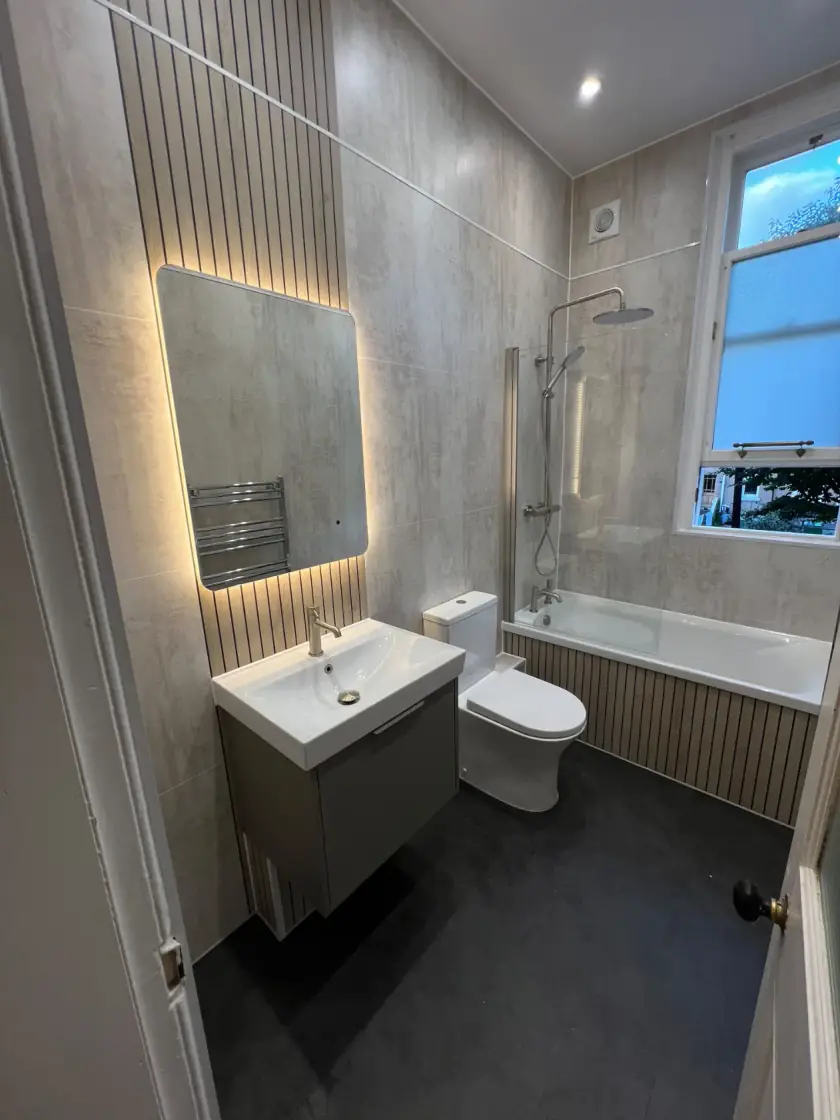
Before the work is treated as finished, walk through the room with the installer. Check the agreed fittings, usable doors and drawers, and any items needing attention. Ask for the shower controls, heating and extractor to be demonstrated. Find out when newly sealed or finished areas can be used and follow those instructions.
Keep product numbers, care instructions, invoices and any required certificates together. Confirm who to contact if a fault appears and the actual written terms of product or workmanship cover. Cleaning instructions can differ between taps, panels, furniture and glass. Following the relevant guidance helps avoid damaging a new finish with an unsuitable cleaner.
Our bathroom installation service in Glasgow can help you discuss the work and preparations for your room. For the full sequence, read our bathroom renovation stages guide. Call Dream Bathrooms Glasgow on 0141 471 9145 to talk about your plans and agree a clear next step.
Plan your bathroom in Glasgow
Talk through your room, the changes you want and the work that needs to be included.