
Tall Bathroom Cupboard or Under-Basin Storage?
Updated 11 October 2026
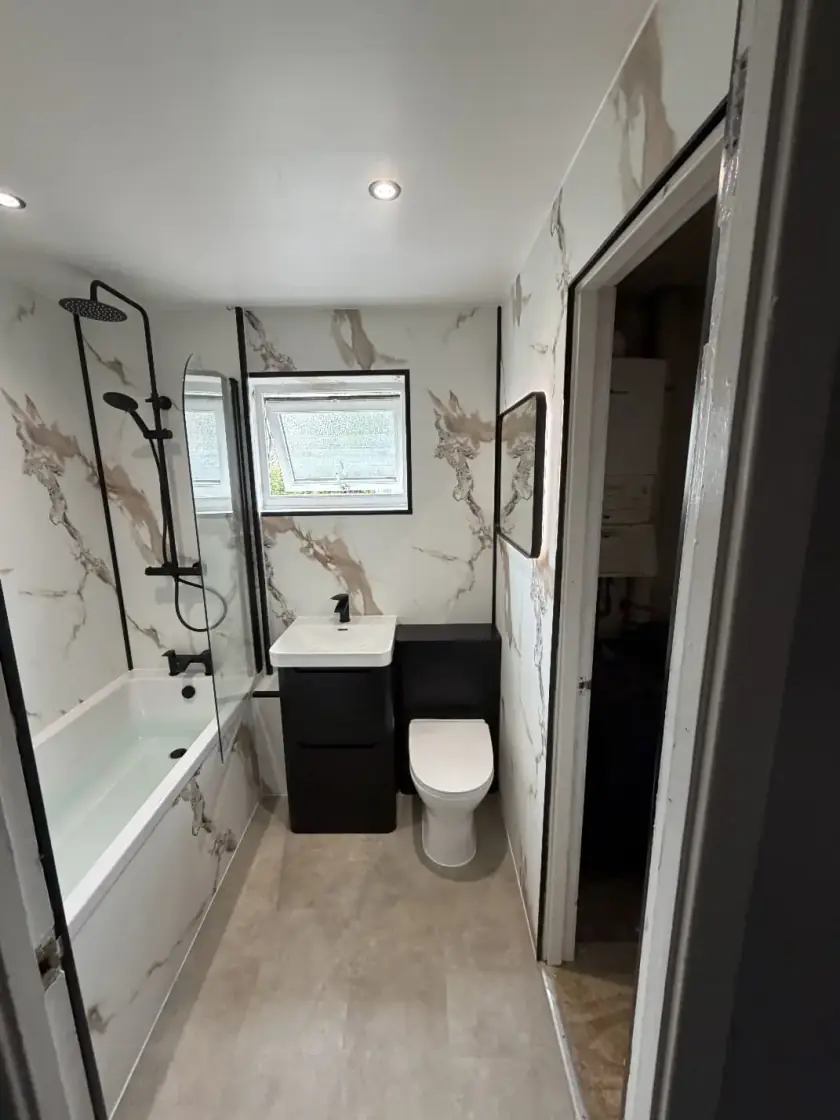
Under-basin storage keeps everyday toiletries close to where you use them. A tall bathroom cupboard can hold extra towels and supplies if there is a suitable space for it. Choose by what needs storing and how the furniture fits your Glasgow bathroom, not by height alone.
List what you need to store
Separate daily items from spare supplies. Toothbrushes, face wash and shaving products need easy access near the basin. Spare toilet rolls and unopened bottles can sit elsewhere. Towels need enough shelf depth to stay tidy. Measure a few of the larger items rather than assuming they will fit inside a cabinet that looks generous from outside.
Check whether everything needs to remain in the bathroom. Bulk supplies may be better kept in another cupboard, leaving a compact room less crowded. Keep products in their appropriate packaging and follow any storage instructions. A tidy appearance should not make cleaning products or other unsuitable items easy for young children to reach.
Look inside the vanity unit
A vanity combines the basin with storage beneath, but its usable space depends on the bowl, trap and pipe routes. Drawers may have cut-outs, and shelves may be interrupted by plumbing. Ask to see the internal layout for the exact basin and cabinet combination. The advertised width does not tell you how much will fit.
Drawers can make smaller items easier to find, while cupboards may accommodate taller bottles. Check how far doors and drawers open and whether the toilet or room door gets in the way. Leave access to valves and connections for maintenance. Do not plan to pack every gap tightly with belongings if those parts need to remain reachable.
Check where a tall cupboard will stand
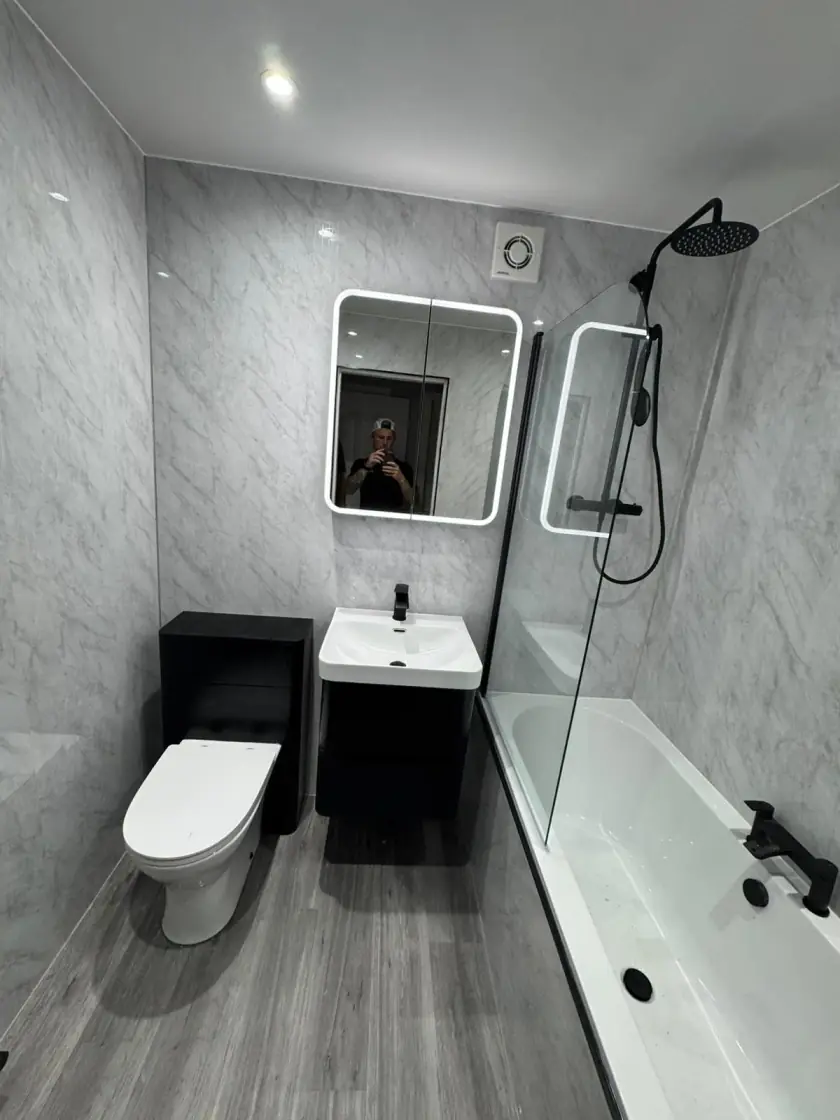
A tall unit can use an otherwise empty wall, but it still takes width and depth from the room. Check its full outline beside the shower, window and door. A narrow cabinet can make a small bathroom feel crowded if it sits in the wrong place. Include the space needed to stand in front and open it.
Look at the top shelves as well as the base. They are useful only for items the intended users can reach safely. Avoid a plan that requires climbing to retrieve daily toiletries. Check the manufacturer's fixing requirements and have the unit properly secured. A product described as freestanding may still require fixing to prevent it tipping.
Choose shelves that suit real items
Adjustable shelves can help accommodate bottles or folded towels of different heights. Check the shelf depth and any load limits before using the cabinet for heavy items. A slim tower with many shallow shelves may be excellent for small toiletries but poor for bath towels. Choose the internal arrangement for the things on your list.
Closed doors keep spare items out of sight, while an open shelf may be useful for something used frequently. Too much open storage can leave the room looking busy and add surfaces to dust. If baskets are part of the plan, check that they fit and can be pulled out easily without catching on doors or hinges.
Compare reach and everyday comfort
Under-basin cupboards can require bending, while higher shelves require reaching. Neither arrangement is easiest for everyone. Try the handles and drawer movement where possible, and think about how they will be used with wet hands. Give daily items the most comfortable position rather than filling the furniture according to appearance.
If someone uses a mobility aid or needs seated access to the basin, furniture beneath it may interfere with the required space. Plan around that person's needs before ordering a vanity. A tall cupboard elsewhere may help, but it must not narrow the route. Storage should support the bathroom's use rather than create another obstacle.
Protect furniture from water
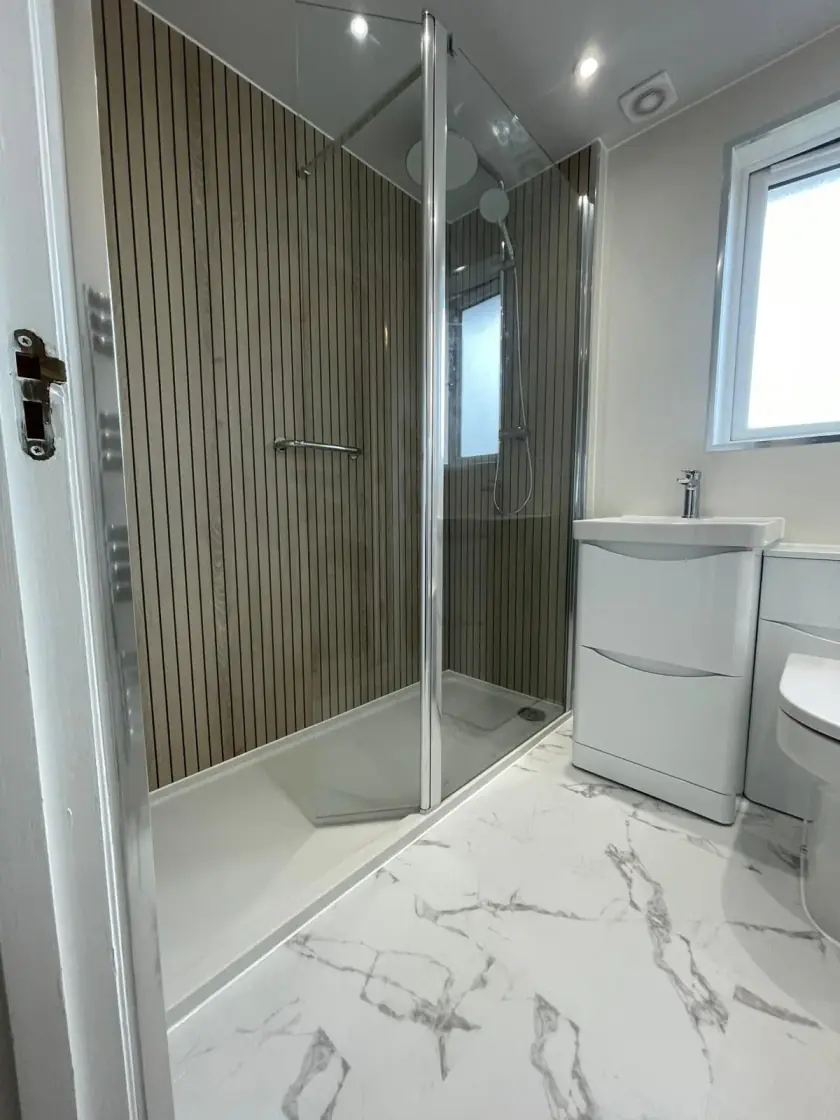
Choose furniture intended for the bathroom and follow its care instructions. Pay attention to edges, joints and the area around the basin, where water can collect. Bathroom furniture is not automatically waterproof. Wipe splashes promptly and keep damp towels from resting against vulnerable surfaces for long periods.
Position cupboards clear of direct shower spray unless the specific product is designed for that use. A good enclosure and working ventilation help protect the room, but they do not remove the need for care. If a leak develops inside a vanity, deal with it promptly. Hidden water can damage both the cabinet and stored belongings.
Compare one unit with a combination
Some rooms work well with a modest vanity for daily items and a separate cupboard for towels. Others become too crowded with both. Draw the complete arrangement and compare it with a simpler option. A mirror cabinet might provide enough extra storage without another floor-standing unit, provided its depth and doors suit the basin position.
Compare the full fitting cost, including basin connections, wall support and any repairs needed after fitting. A replacement vanity may involve more than changing a cupboard, while a tall unit may need preparation for secure fixing. Ask for the proposed products and installation to be listed so that you can judge the total rather than individual furniture prices.
Plan storage for your Glasgow bathroom
Bring your storage list to our bathroom design service in Glasgow. Explain what currently ends up on the floor or windowsill and which cupboards are difficult to use. That gives a clear starting point for a practical layout, whether the answer is a vanity, a tall cupboard or less furniture overall.
For internal arrangements, see our bathroom drawer and cupboard comparison. Keep the route through the room clear and check the actual storage before ordering. Call Dream Bathrooms Glasgow on 0141 471 9145 to discuss the furniture and layout that would make your bathroom easier to use.
Plan your bathroom in Glasgow
Talk through your room, the changes you want and the work that needs to be included.