
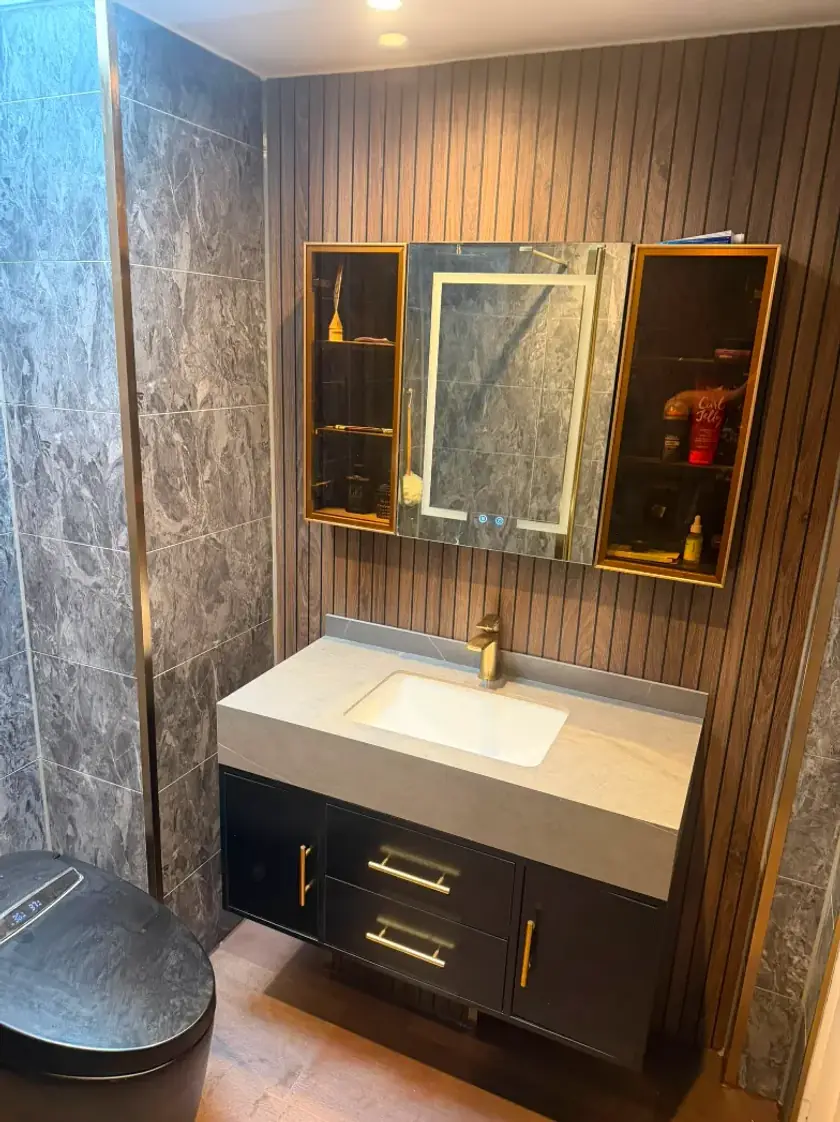
Rimless or Standard Toilet: Cleaning, Comfort and Fit
Updated 11 October 2026
A rimless toilet removes the enclosed flushing rim found inside a conventional toilet bowl. That can make the bowl easier to see and clean. It does not, by itself, tell you whether the toilet will fit your bathroom, flush well or feel comfortable.
What changes inside the bowl
On a conventional toilet, water passes through the area beneath the rim to rinse the bowl. Rimless designs direct water around an open bowl using the manufacturer's own arrangement. The exact shape and water outlets differ between models. Look inside the toilet you are considering, rather than assuming every rimless product has the same construction.
Rimless describes the bowl, not how the toilet is mounted. You can find rimless toilets in different arrangements, including close-coupled models with a visible cistern and models with a hidden cistern. Decide where the toilet and cistern will fit first. Then compare the bowl designs available in that arrangement and within your budget.
Compare how easily you can clean it
The main practical attraction of a rimless bowl is access. There is no enclosed underside rim to reach beneath with a brush, so more of the surface is visible. It still needs regular cleaning. Water outlets, the seat hinges and the outside of the pan can collect marks and dirt regardless of the bowl design.
Check whether the seat can be removed easily and how it clips back into place. Look at the sides of the toilet too: a smooth outside surface may be easier to wipe than exposed bends and narrow gaps. Follow the cleaning instructions for the ceramic, seat and fittings separately. A cleaner suitable for the bowl may damage a seat or metal hinge.
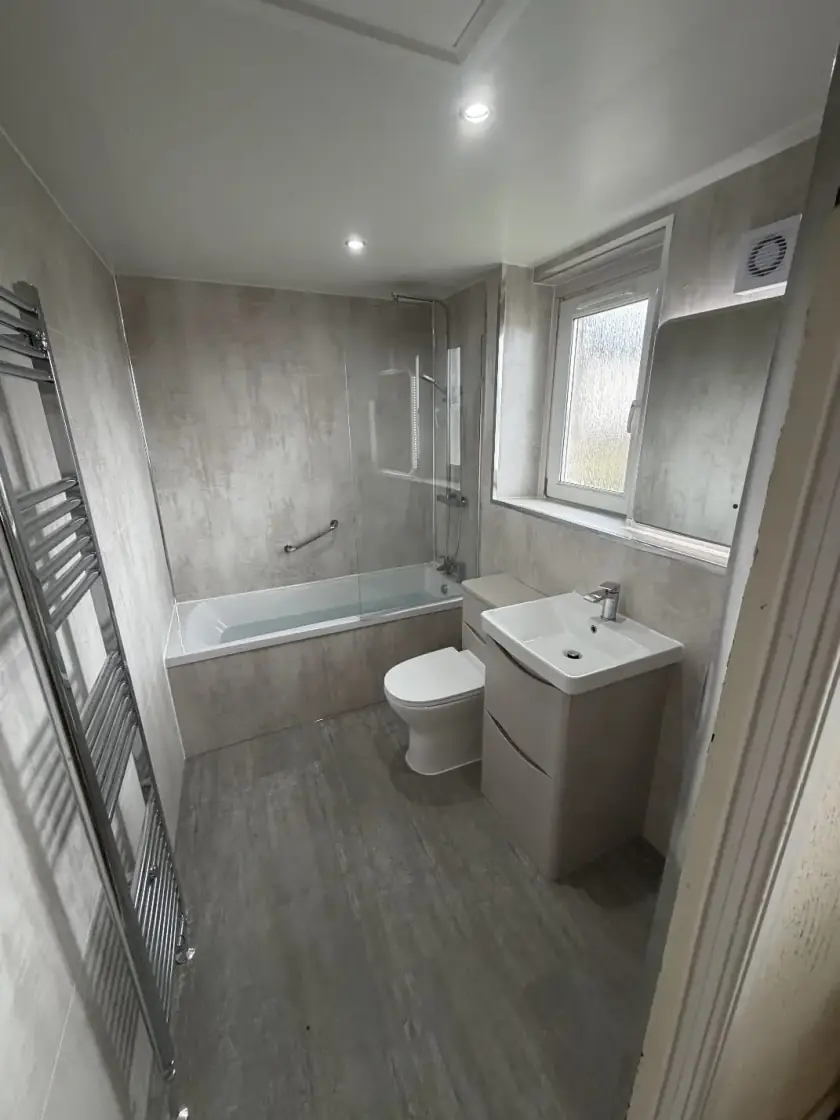
Match the pan and cistern
A toilet bowl needs the correct cistern and flush settings for that product. Ask the supplier or installer to confirm the combination before buying parts separately. A hidden cistern also needs a compatible flush plate. Similar-looking buttons do not mean the internal parts are interchangeable, even when products come from the same manufacturer.
Do not choose a toilet by promises of a more powerful flush alone. The installer should check the existing waste connection and any known drainage problems. Repeated blockages or poor drainage need their cause investigated; changing the bowl is not a guaranteed repair. After installation, the toilet should be checked for a proper rinse, reliable filling and leaks.
Check height, length and seat comfort
Measure how far the complete toilet projects from the wall, including any boxing needed for a concealed cistern. A compact bowl can save space, but the seat still needs to suit the person using it. Check the room in front and beside it, especially where a shower door or vanity drawer opens nearby.
A higher toilet may help some people sit and stand, while others find a standard height more comfortable. Think about everyone who uses the bathroom rather than treating a taller pan as a universal upgrade. If mobility or transfers are a concern, seek advice based on the individual's needs before choosing the height and surrounding layout.
Understand the water use
Both rimless and conventional toilets can have dual-flush controls. Water use depends on the actual pan and cistern combination and its approved settings, not simply on whether the bowl has a rim. Compare the product information for the models on your shortlist. The controls should make it clear which button or action gives each flush.
Do not alter the cistern's water level or fit improvised devices to reduce consumption without checking the manufacturer's guidance. An unsuitable setting can affect performance. A toilet that keeps running after flushing also needs attention. Ask for the controls and normal operation to be demonstrated at handover, and keep the model details for future repairs.
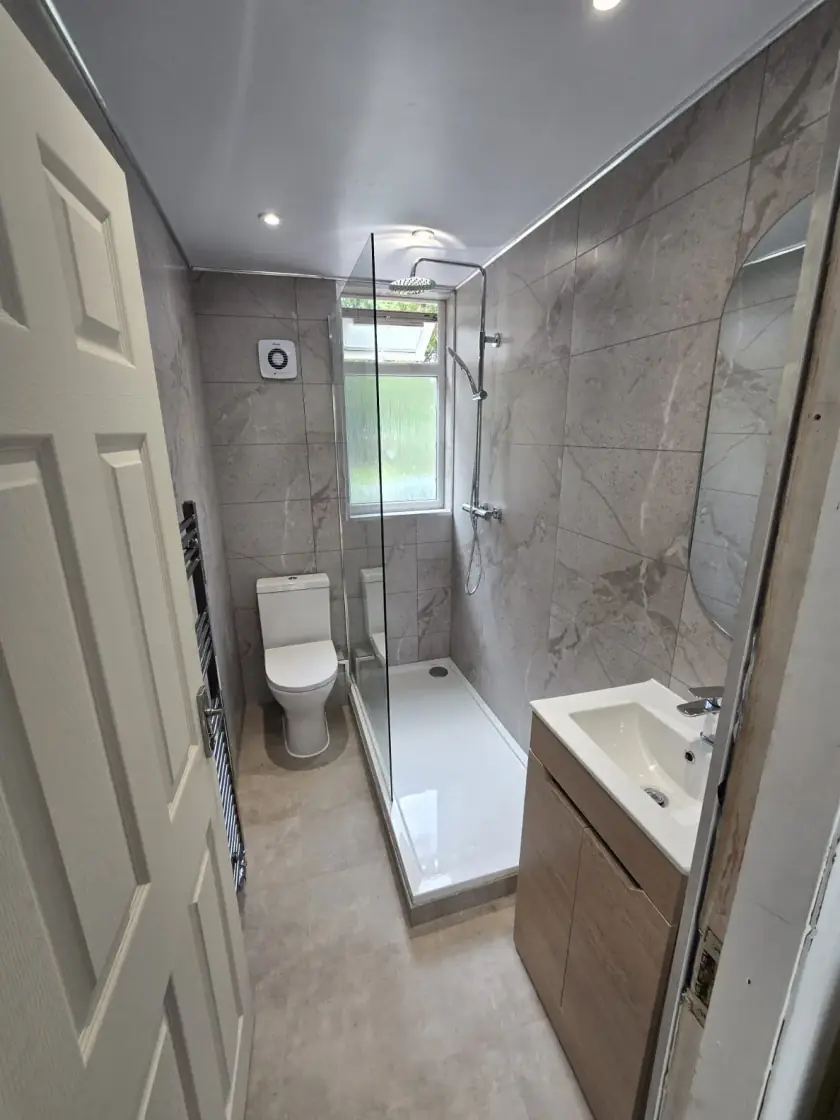
Leave access for repairs
A concealed cistern can give the bathroom a tidy finish, but its working parts must remain accessible. Ask the installer to show how servicing will be carried out before the wall is closed. The design should follow the particular product's access requirements, including any removable panel or access through the flush plate.
Check the availability of a replacement seat, hinges and cistern parts before ordering an unfamiliar model. Toilet seats are not all the same shape or fixing size. Save the product name and number with the fitting instructions rather than relying on a photograph later. These details can make a small repair much simpler several years after installation.
Compare the complete installed price
Compare like-for-like quotations that include the pan, seat, cistern, controls, connections and fitting. A wall-hung option may also require a frame and wall construction, while a close-coupled toilet has a different installation. The cost difference between those arrangements may matter more than the difference between a rimless and conventional bowl.
Ask whether changes to flooring, tiles or pipe boxing are included. Replacing a toilet can expose an area previously hidden by the old pan. A cheaper product is not necessarily the cheaper finished job if its connections or footprint need extra work. Choose a combination that fits the room and can be maintained, with the supplied parts clearly listed.
Choose your Glasgow bathroom toilet
For a full refit, discuss the toilet alongside the basin and shower through our bathroom design service in Glasgow. Getting the spacing right is more useful than selecting each fitting separately. Bring the measurements and product details of any toilet you already like so that its suitability can be checked.
Our modern bathroom options show how simple fittings can work together. A rimless bowl is worth comparing if easy cleaning is a priority, but keep comfort, servicing and the complete price on the same shortlist. Call Dream Bathrooms Glasgow on 0141 471 9145 to discuss the room and the work you want.
Plan your bathroom in Glasgow
Talk through your room, the changes you want and the work that needs to be included.