
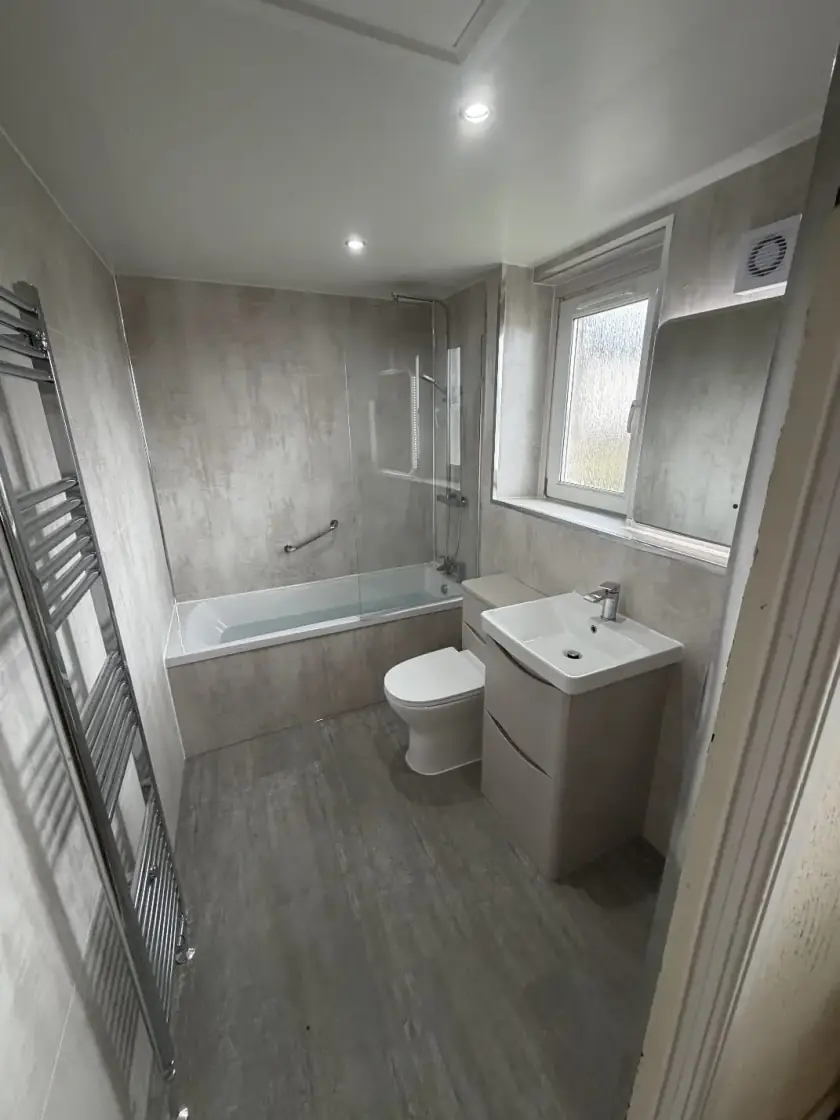
Electric or Central Heating Towel Rail: Which Suits Your Bathroom?
Updated 11 October 2026
An electric towel rail can operate independently of the main heating, while a central heating rail is connected to the home's heating system. Some products are designed for both. The right choice depends on when you want warm towels, the room's heating needs and the available connections. Compare the complete installation and controls, not just the shape of the rail.
Decide whether it must heat the whole room
A rail that warms towels may not provide enough heat for the bathroom. Ask the installer to assess the room's heat needs, including its size, construction and windows. Compare the proposed product's output under the conditions of your heating system. The dimensions alone do not tell you how much useful heat it will provide.
If the room already has another suitable heat source, the rail may mainly serve towels. If it replaces the only radiator, that is a different decision. Covering a rail with towels also affects how heat reaches the room. Make its intended role clear before choosing a slim design simply because it fits a narrow wall.
Electric rails offer independent control
An electric model does not depend on the central heating being on, which can be useful when you want towels warmed during milder weather. Available controls vary by product. Compare timers, temperature settings and how easily they can be operated. A clear control you understand may be more useful than an app you rarely use.
Have a qualified electrician assess the product, position and connection requirements. Do not assume it can be placed anywhere or plugged into an ordinary socket near the bath. The installation must suit the bathroom and the equipment. Include the electrical work and any repairs needed after fitting in the quote before deciding that electric is the simpler option.
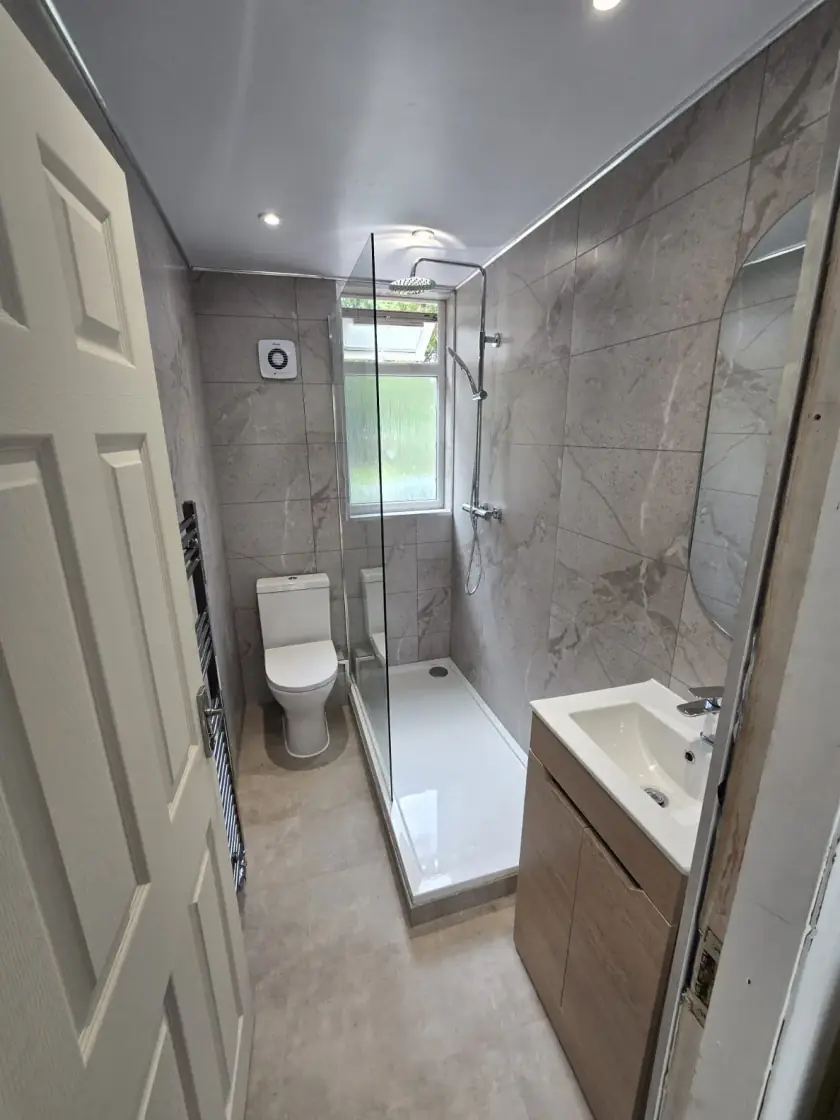
Central heating rails depend on the system
A central heating towel rail receives heat through the heating circuit. Its operation depends on the system and controls, so discuss when it will be warm in your home. If you mainly want it during the heating season, that may suit your routine. If you want summer use as well, ask how that would be achieved without assumptions.
Replacing an existing radiator may provide a useful starting point, but the pipe centres, valve arrangement and output still need checking. The rail must be suitable for the system's operating conditions. A product's headline output may be based on different temperatures from those used in your home, so have the comparison made correctly.
Dual-fuel products need compatible parts
A dual-fuel arrangement uses a suitable heating rail with an electric element as well as the water heating connection. This can provide different operating options, but the rail, element, valves and controls must be compatible. It is not a reason to add any available element to an existing radiator without checking its suitability.
Ask the installer to demonstrate the correct operation for the exact system and keep the instructions. Valve positions and operating procedures can matter, so do not follow generic advice intended for a different product. Include both plumbing and electrical work in the plan, along with who handles a fault in each part of the installation.
Compare running costs using your tariff
For an electric rail, the rated power and time spent heating influence consumption. Controls may cycle the element, so the nameplate rating alone is not always the energy used over a whole day. Ask for a realistic estimate using your tariff and intended schedule rather than accepting a fixed monthly cost copied from another household.
For a water-heated rail, cost depends on the heating system, fuel, temperatures and operation. Heat is not free simply because the boiler or heat pump is already running. Compare how you will use the rail through the year, including summer. Avoid assuming one type is always cheaper without looking at the proposed products and your home's setup.
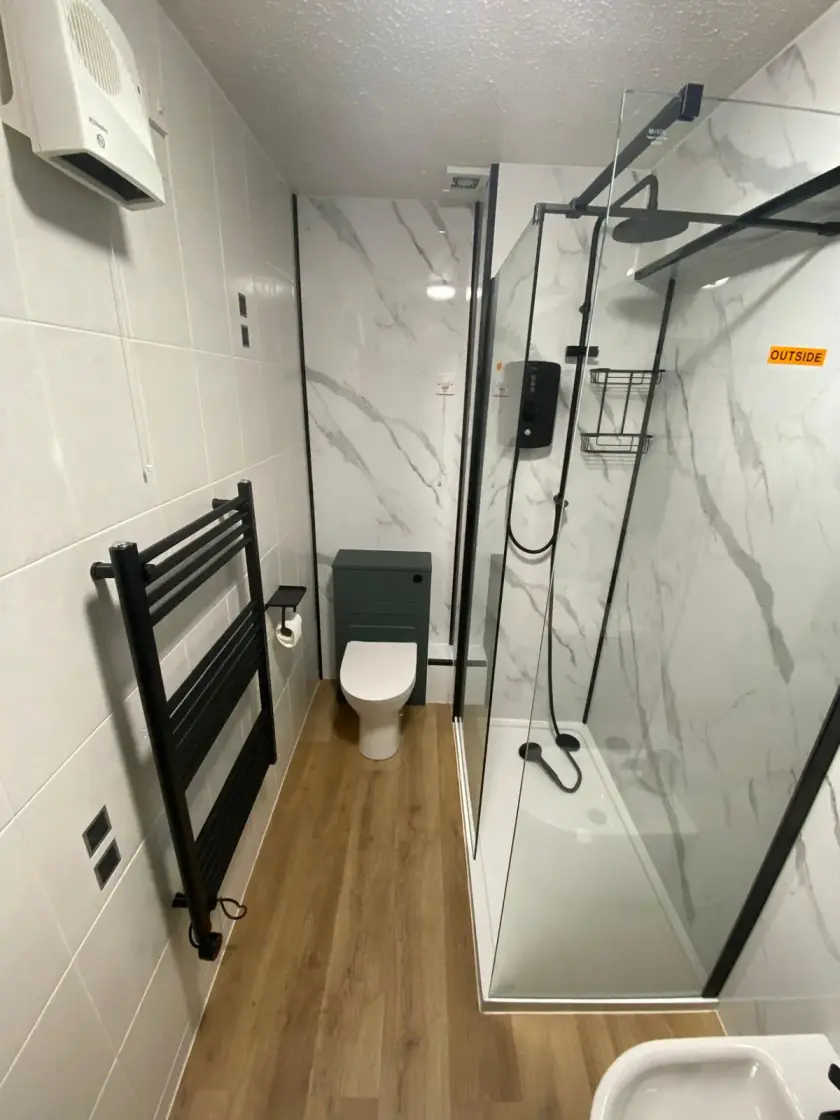
Put towels within comfortable reach
Choose a position that leaves the door, basin and shower entrance usable. Check the depth of the rail and any valves, not just its width on the wall. There should be enough room to hang and remove the number of towels normally used. A tall narrow rail is not automatically useful if its upper bars are difficult to reach.
Discuss surface temperature and the needs of the people using the room, especially where contact could be a concern. Keep the manufacturer's clearance and covering instructions. The rail must have suitable wall fixings and should not be used for body support. If someone needs a support rail, that requires its own appropriate product and installation.
Keep ventilation and maintenance separate
Warming towels does not replace ventilation or repair an existing leak. The fan, duct and outlet should still be checked if the room stays damp. Do not choose a towel rail on a promise that it will prevent every mould problem. Identify the actual cause of recurring moisture and include the necessary work in the bathroom plan.
Follow the rail's cleaning and maintenance instructions, including care for the finish. Report leaks, corrosion, control faults or poor heating to the appropriate tradesperson. Keep model numbers and guarantee details, and ask whether relevant parts can be replaced. Do not attempt electrical repairs or alter a dual-fuel arrangement based on a general online guide.
Include the rail in the complete bathroom quote
The quote should name the rail, valves or element, controls, fitting, connection work and any wall repairs. Confirm its output and purpose alongside the rest of the heating plan. For related choices, read our bathroom flooring guide, particularly if underfloor heating is also being considered.
Our bathroom design service in Glasgow helps coordinate the layout and fittings. Call 0141 471 9145 or request a free home design visit. Explain when you want the rail warm and whether it must heat the room so the proposal fits your routine and the existing system.
Plan your bathroom in Glasgow
Talk through your room, the changes you want and the work that needs to be included.