
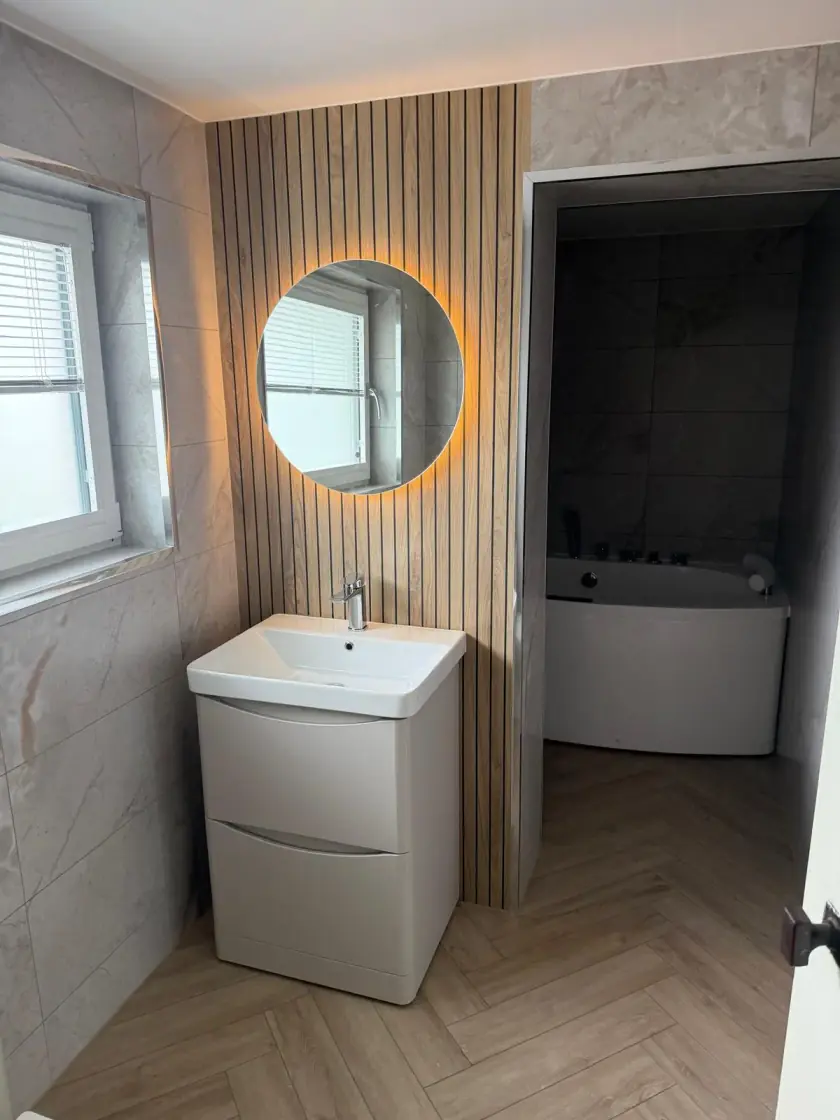
Bathroom Drawers or Cupboards: Choosing Useful Storage
Updated 11 October 2026
Drawers make smaller items easy to see, while cupboards can give more flexible space for taller bottles and towels. The better choice depends on what you store and how much room you have to open it. Look inside the furniture with the plumbing allowed for, then test how it would work beside the basin, toilet and shower.
List what needs to go inside
Separate everyday toiletries from spare supplies and bulky items. Toothbrushes, razors and smaller bottles may suit shallow drawers with dividers. Taller bottles or folded towels may need a cupboard shelf or deeper drawer. Measure the largest items instead of judging the storage only by the cabinet's outside dimensions.
If several people share the bathroom, decide whether separate sections would help. You may not need all the spare household toiletries in this one room. Keep items that need secure storage appropriately protected and follow their storage instructions. A neat drawer is not automatically a suitable place for medicines or cleaning products simply because it is out of sight.
Check how much of a drawer is usable
Basin drawers can have cut-outs around the waste trap and pipes. Some also have lower sides than the visible front suggests. Open the exact model where possible and measure the useful height and depth. A wide drawer may hold less than expected once the plumbing and internal divisions are included.
Full-extension runners can make items at the back easier to reach, depending on the product. Check the permitted load and how the drawer feels when used. Dividers can stop small items moving around, but fixed compartments may not suit every bottle. Choose the arrangement around your routine rather than assuming more compartments always mean better storage.
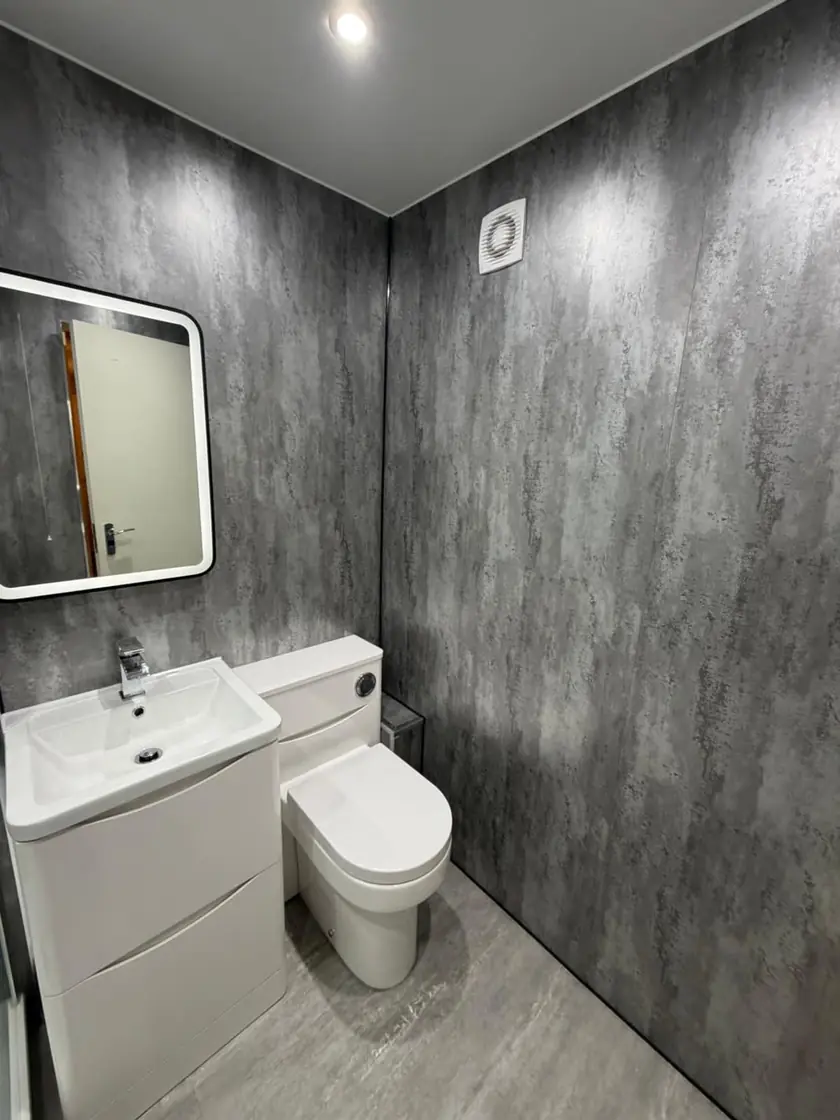
Check cupboard shelves and reach
A cupboard can hold tall or awkwardly shaped items where adjustable shelves allow it. Check which shelves can actually move and whether pipework limits the options. A deep cupboard may offer plenty of volume but leave items difficult to reach at the back. Removable trays can help organise smaller things without changing the cabinet.
Think about bending and reach for the people using it. Frequently used items should be in a convenient position, with less-used supplies elsewhere. A tall cupboard can add storage without a very wide footprint, but its upper shelves may not be useful for everyone. The best capacity is space you can reach and use comfortably.
Draw the opening space on the layout
A drawer needs room to extend towards the opposite wall or fitting. A hinged cupboard door needs space to swing, and may hit the toilet or shower screen. Show both movements on the bathroom plan. Then check where someone stands while using the storage; a door that technically opens may still leave an awkward position.
A shallower unit or a different door arrangement can be more useful than a larger cabinet that obstructs the room. Include handles in the measurements. Our small bathroom storage guide covers mirror cabinets and shelves if floor furniture would take too much space. You do not have to put all storage beneath the basin.
Keep pipes and valves accessible
The basin trap and tap connections may need attention later. Ask how drawers or shelves can be removed for access to make repairs and whether any panel is designed to open. The installer should be able to reach the relevant parts without unnecessarily damaging the furniture. A tidy front should not hide an arrangement that is impossible to maintain.
Check that the proposed unit works with the basin and pipe positions. Moving pipes to fit a drawer arrangement can affect cost and the order of work. Include those changes in the quote. If a leak appears after fitting, deal with it promptly instead of leaving damp items in the cupboard or assuming the cabinet material will tolerate it indefinitely.
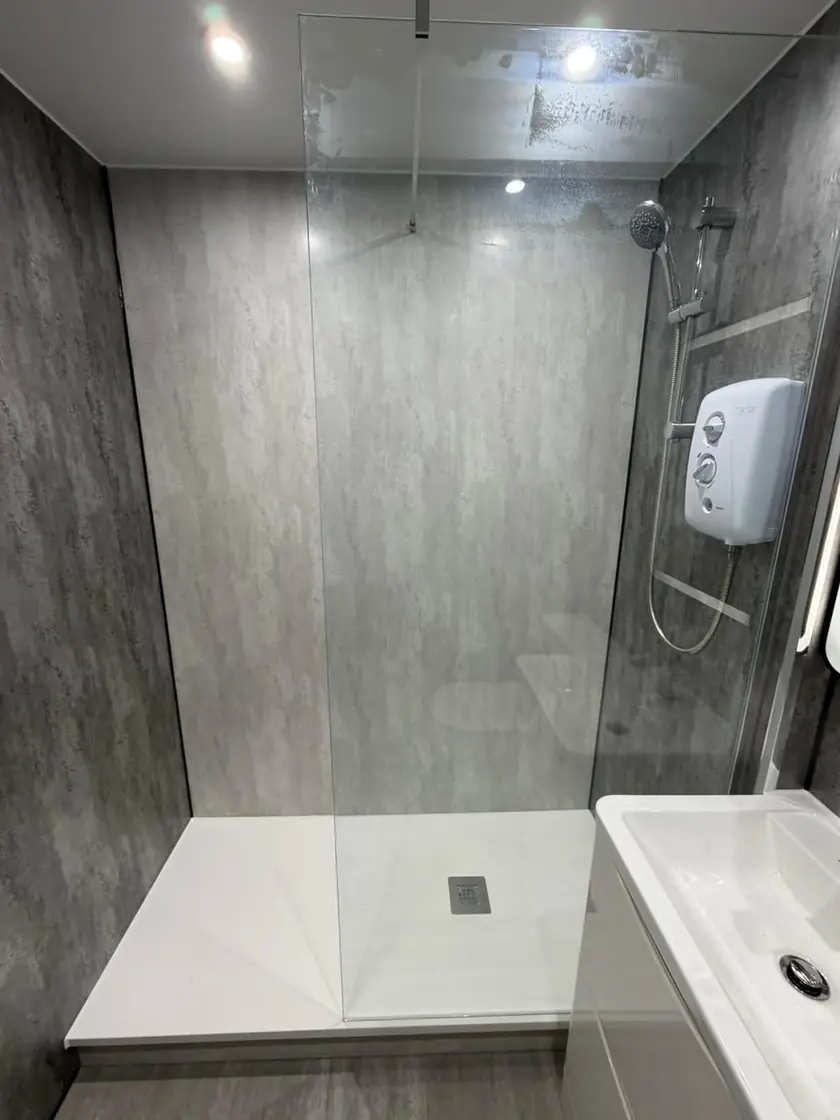
Compare materials, hardware and care
Both drawers and cupboards need bathroom-suitable construction and protected edges. Look at joints, hinges and runners as well as the door finish. Moisture-resistant furniture still needs care and should not be repeatedly soaked. Read the manufacturer's instructions for cleaning, loading and any adjustment rather than applying a general furniture treatment.
Soft-close hardware may be useful, but it does not tell you everything about quality. Ask whether replacement hinges or runners are available and keep the model details. Do not add oil, polish or sealant unless the product instructions call for it. Suitable routine care and prompt attention to leaks matter more than a blanket claim that one storage type lasts longer.
Use a combination where it helps
A basin unit with drawers for daily items and a separate cupboard for towels can work well if the room has space. Alternatively, a cupboard with removable baskets may give enough organisation without another unit. Choose each piece for a specific purpose. Adding furniture purely to complete a matching set can crowd a room unnecessarily.
The visible style does not have to dictate the storage mechanism. Drawers can have traditional panelled fronts, and cupboards can have simple modern doors. Compare colour and finish samples with the rest of the room after the practical layout is settled. Our fitted and freestanding furniture guide covers the wider installation choices.
Compare the complete fitted price
Include the cabinet, basin, worktop where needed, handles, delivery, fixing and plumbing changes. Check what is included in each product and who handles a fault. A more expensive drawer unit may be worthwhile if it makes daily access easier, but a straightforward cupboard may meet the same needs at a lower total cost.
Our bathroom design service in Glasgow helps plan storage with the full room layout. Call 0141 471 9145 or request a free home design visit. Bring a short list of what you want to store and what is awkward about the current furniture so the new choice solves those problems.
Plan your bathroom in Glasgow
Talk through your room, the changes you want and the work that needs to be included.