Victorian-Style Bathroom Ideas for Glasgow Homes
Updated 11 October 2026
You can give a bathroom a traditional look with shaped furniture, classic taps and patterned tiles without filling the room with ornate fittings. Start with the space and the features you want to keep. This guide helps Glasgow homeowners combine Victorian-inspired details with useful storage, comfortable bathing and the practical needs of a modern bathroom.
Keep original features in the planning conversation
If the room has older doors, cornicing, tiles or other details you value, point them out during the survey. Ask what can be retained and how it will be protected during work. Do not assume that repair is always cheaper or that every old feature can be restored easily. The condition, materials and proposed changes need to be checked before you agree the work and price.
For a listed building, alterations can need consent even when the work is inside. Historic Environment Scotland's listed-building consent guidance explains the starting point. Confirm requirements before removing protected features or changing the room. Choosing a traditional-looking tap does not make structural or other alterations automatically acceptable. Keep the appearance you want and any building restrictions together in the brief.
Choose a bath or shower that fits ordinary use
A roll-top bath can suit this style, but it is not a requirement. A fitted bath with a simple panel may leave more useful space and work better with a shower above. If you prefer a freestanding bath, allow room for entry, cleaning and access to the taps. Check the filled weight and floor suitability with the installer, especially when considering a heavy bath on an upper floor.
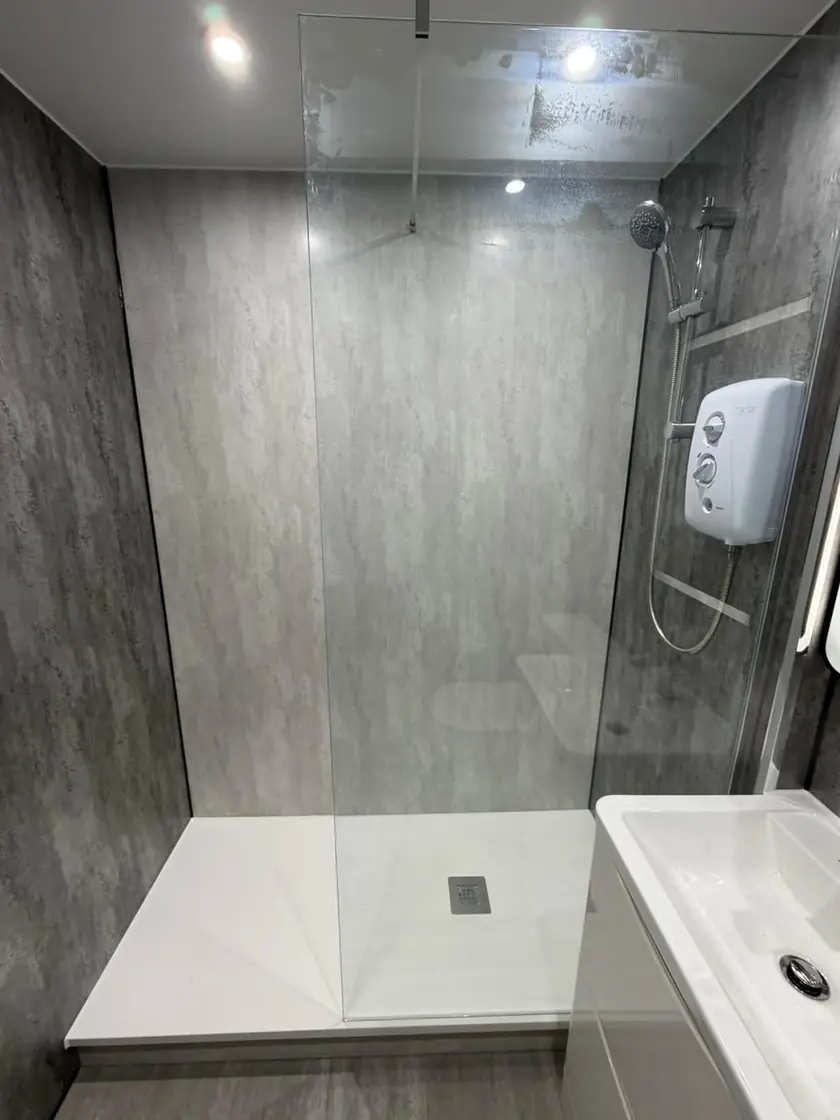
If showers are more important to your household, traditional-style fittings can be combined with a practical tray and screen. Ask for the water system and product requirements to be checked before ordering a large overhead rose. Keep a useful handset in the comparison. Our traditional bathroom service in Glasgow is a starting point for discussing the style around the room you actually have.
Use pattern and panelling without crowding the room
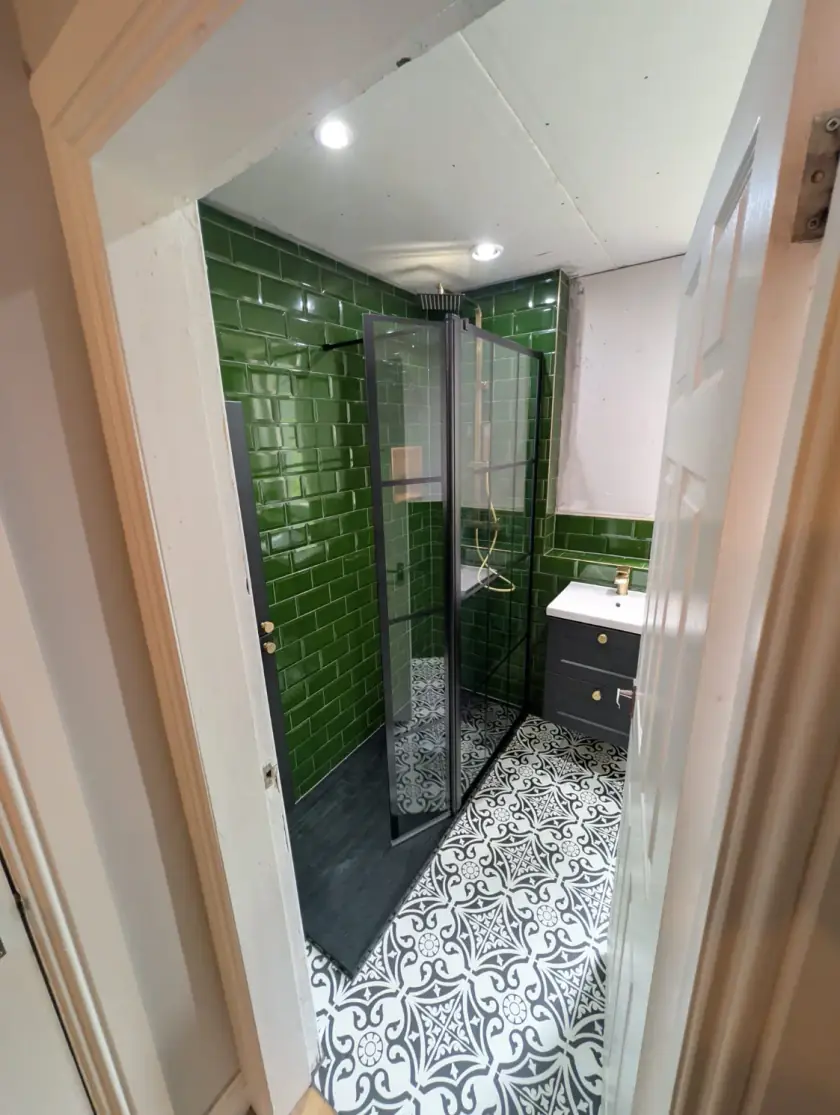
A geometric floor or rectangular wall tile can provide much of the traditional appearance. Compare the pattern at room scale and ask how it will be set out around the fittings. A border may look attractive on a drawing but become awkward where it is interrupted by a shower tray or vanity. Check the visible cuts and grout colour before buying the full quantity.
Panelling can add detail in suitable parts of the room, but the material and finish must suit the location. Decorative timber-effect boards are not automatically a shower waterproofing system. Ask what can be used near splashes and what belongs in drier areas. Keep any existing moisture problem in the survey rather than covering it with a new decorative finish. Good preparation matters as much as the style of the panel.
Compare traditional fittings for comfort and care
Crosshead taps, lever handles and exposed shower fittings create different looks and feel different to use. Try controls where possible, particularly if anyone has limited grip. Check the tap and basin together so the spout position works with the bowl. A traditional appearance does not require difficult controls. Choose the fitting for its practical use as well as the shape and metal finish.
Brass-coloured, chrome and other finishes have product-specific care requirements. Do not polish a coated finish as though it were uncoated solid metal unless the manufacturer says to do so. Compare actual samples if you want taps, screen fittings and accessories to match. Our bathroom colour guide explains how to view the wall, floor, furniture and metal finishes together before approving them.
Include modern storage, lighting and ventilation
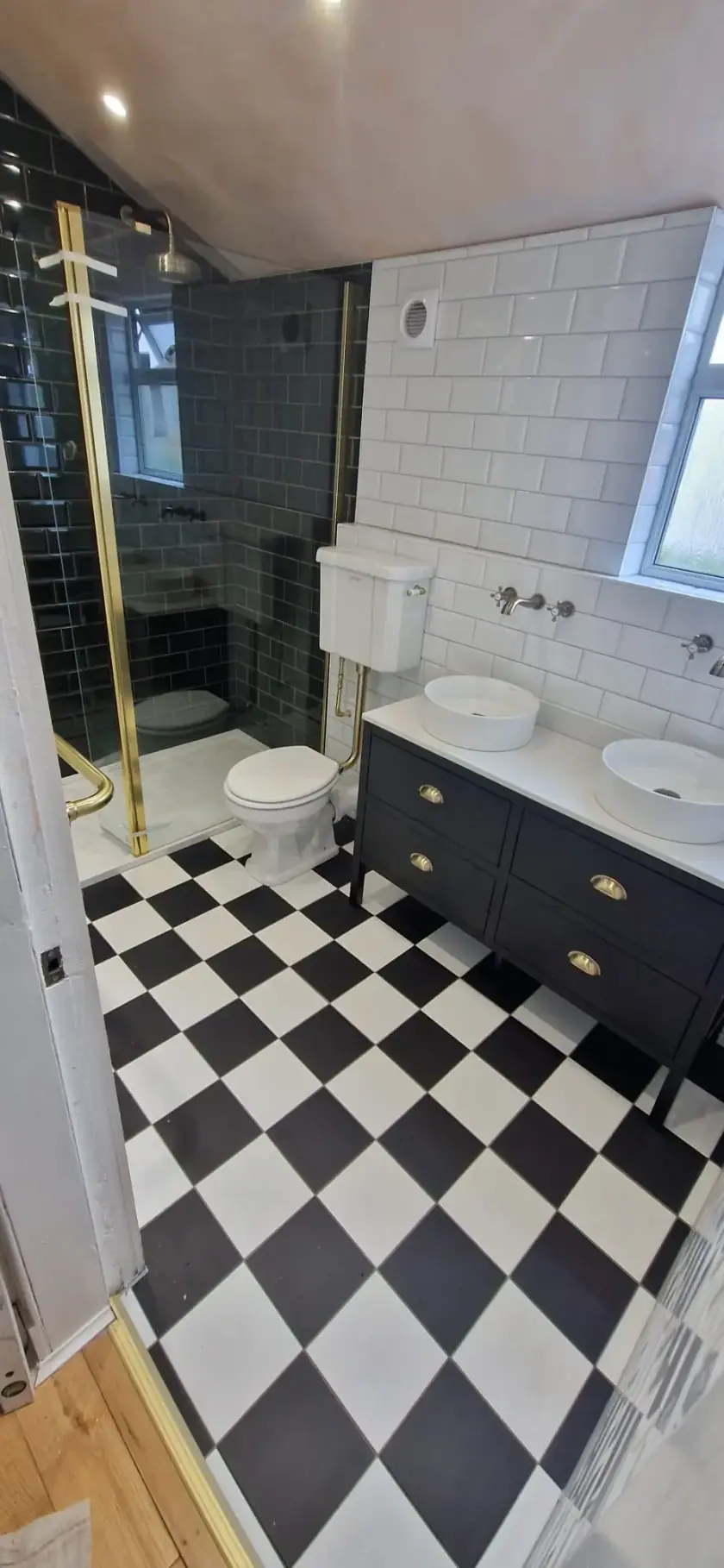
A vanity with shaped doors can provide storage while keeping a traditional appearance. Check the usable interior and door opening, not just the front design. A mirror cabinet may also be useful if its depth suits the basin position. Keep daily toiletries and towels within reach, and avoid adding decorative furniture that makes the route to the shower or toilet awkward in a compact room.
Ask the electrician to confirm suitable bathroom lighting in the style you like. An antique-looking pendant or wall light is not automatically appropriate for its proposed position. Plan the extractor and heating with the room too; neither should be omitted to preserve a period appearance. Keep controls and service access usable. Hidden technology is only convenient if it can still be operated, maintained and repaired after the finishes are complete.
Before work starts, agree which existing details remain, which new products are supplied and how the room will be finished around them. Ask for a schedule based on the actual work rather than a standard completion promise. Call Dream Bathrooms Glasgow on 0141 471 9145 to discuss your plans, with photographs of the current room and a few examples of the traditional details you like.
Plan your bathroom in Glasgow
Talk through your room, the changes you want and the work that needs to be included.