
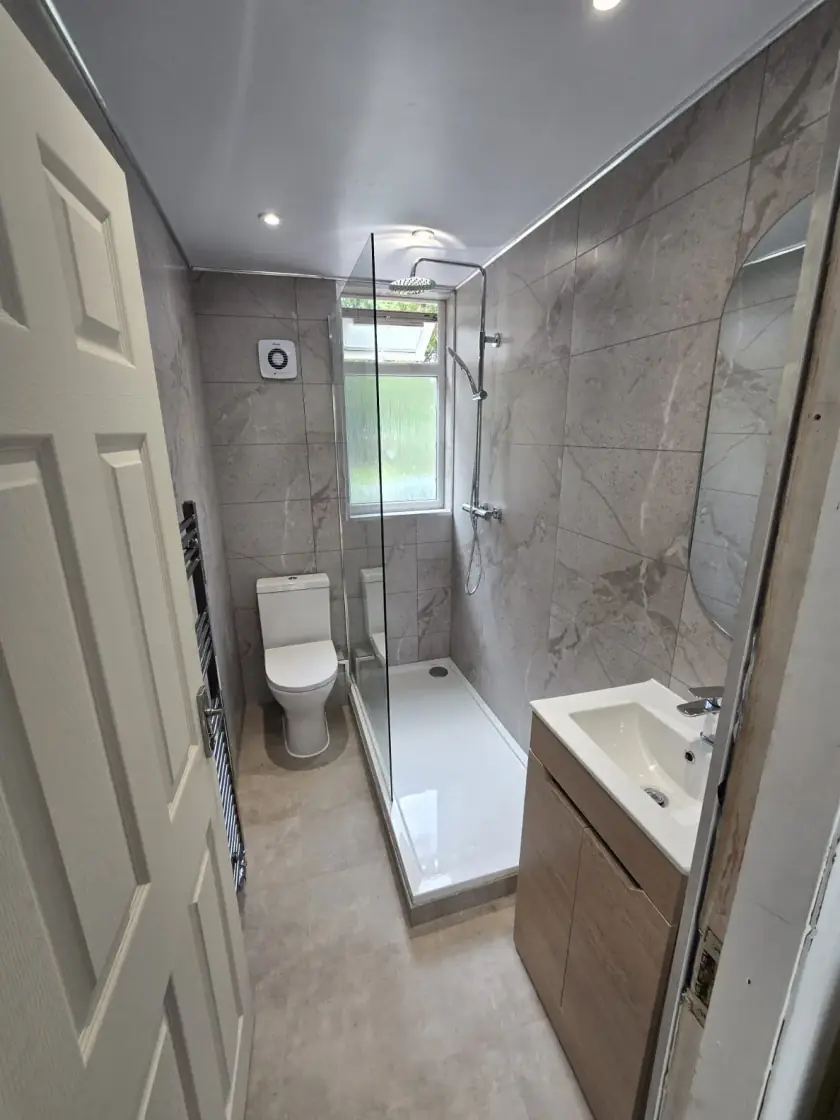
Five Ways to Keep Track of Bathroom Refit Costs
Updated 11 October 2026
A bathroom budget is easier to manage when you can see the agreed work, the products ordered and the cost of every change. The cheapest individual fitting does not necessarily give the lowest finished price. These five checks help Glasgow homeowners keep a refit organised from the first quotation through to the final invoice.
1. Start with one complete list of the work
List what will be removed, repaired, retained and fitted. Include plumbing, electrical work, wall and floor preparation, waterproofing, ventilation, finishes, waste removal and repairs to walls and floors disturbed by the work. Add the exact products where they are already chosen. This gives installers a consistent basis for pricing and helps you see what a quotation leaves out. A total described as a full bathroom package is not enough to establish that all the work you expect is included.
Separate necessary work from optional extras. A damaged floor or unsuitable electrical installation needs a different decision from a decorative mirror upgrade. Ask which uncertainties remain because surfaces have not yet been opened. Our bathroom installation service in Glasgow is the place to discuss a proposed refit. Keep the agreed list with the accepted quote so later decisions can be checked against the original job.
2. Compare finished prices rather than isolated discounts
When choosing between products, include the preparation, fitting and any additional parts they require. A concealed shower may involve different work from an exposed valve. A change in tile size or pattern can affect cutting and labour. Ask for the total difference before deciding that one option is cheaper. A sale price on the box does not account for the work needed to install it in your particular room.
Check delivery, returns, missing parts and warranty arrangements when buying directly. Tell the installer before substituting a product, even if it looks similar. A different waste connection or fixing system may change the work. If the installer supplies the fittings, ask which models the price includes and how alternatives are priced. Clear product references help avoid paying for one specification while expecting another at the end of the job.
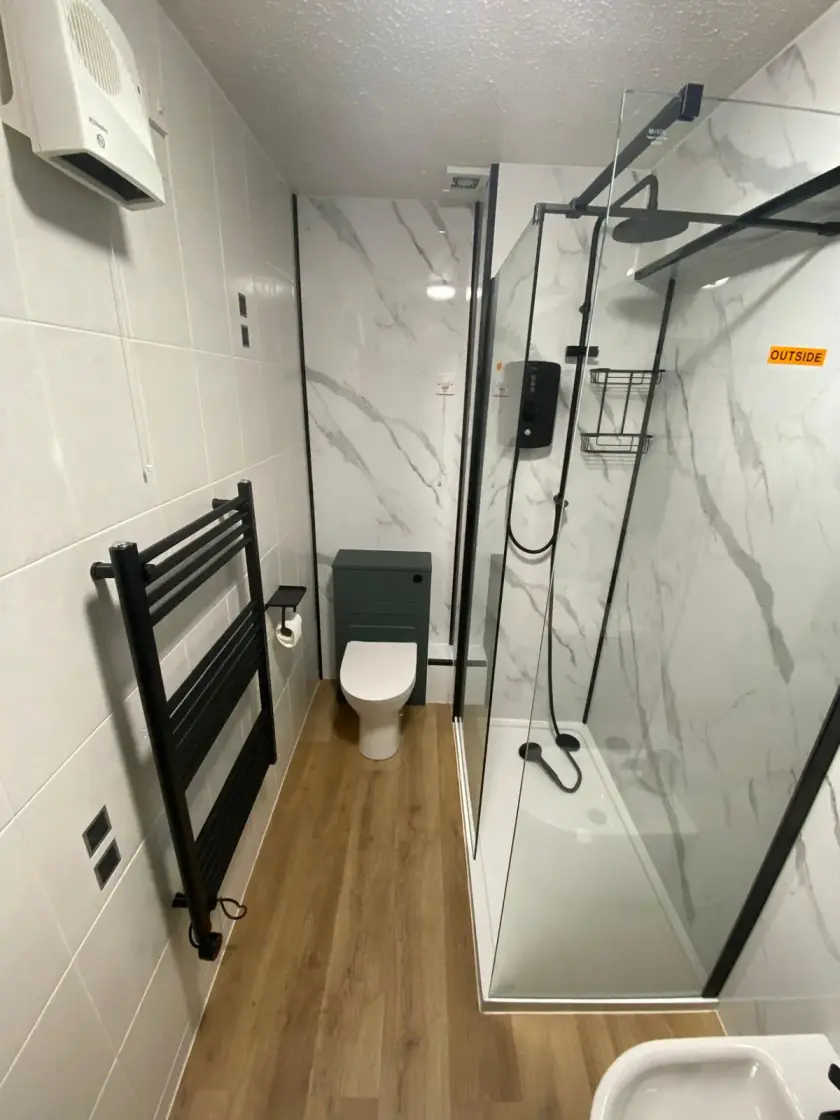
3. Record every approved change
Keep a simple running list with the original total, each agreed addition or deduction, payments made and the amount still due. Include the date and description of each change. Ask for both the price and any effect on timing before approving it. Several small upgrades can add up quickly, especially when they alter work that has already been started or products that have already been ordered.
Keep money for unforeseen repairs separate from money you choose to spend on extras. The appropriate allowance depends on the building and what the survey can establish; no fixed percentage guarantees that every hidden problem is covered. If damage is found, ask what needs repair and why, and agree the next step. Photographs and a clear written explanation can make that discussion easier when you are not at home.
4. Reduce optional costs without undermining the installation
If the total is too high, ask for practical alternatives. Keeping suitable plumbing positions, selecting standard products or simplifying decorative finishes may help. The right choice depends on the room, so request an actual revised price rather than assuming a particular material always costs less. Do not remove necessary waterproofing, ventilation or electrical work merely because those parts are less visible than the fittings and tiles.
Ask which extras can be added later without disturbing new work. A freestanding accessory is different from a concealed valve or wired mirror. Our limited-budget bathroom guide explains how to separate essentials and preferences. A smaller, complete project may be more practical than starting an ambitious design that leaves important work unfinished when the available money runs out.
Check the care requirements of any alternative material as well as its price. A finish that needs products or maintenance you will not use is not a good saving. Ask about spare parts and repair access before choosing fittings that may be difficult to service once the walls are finished.
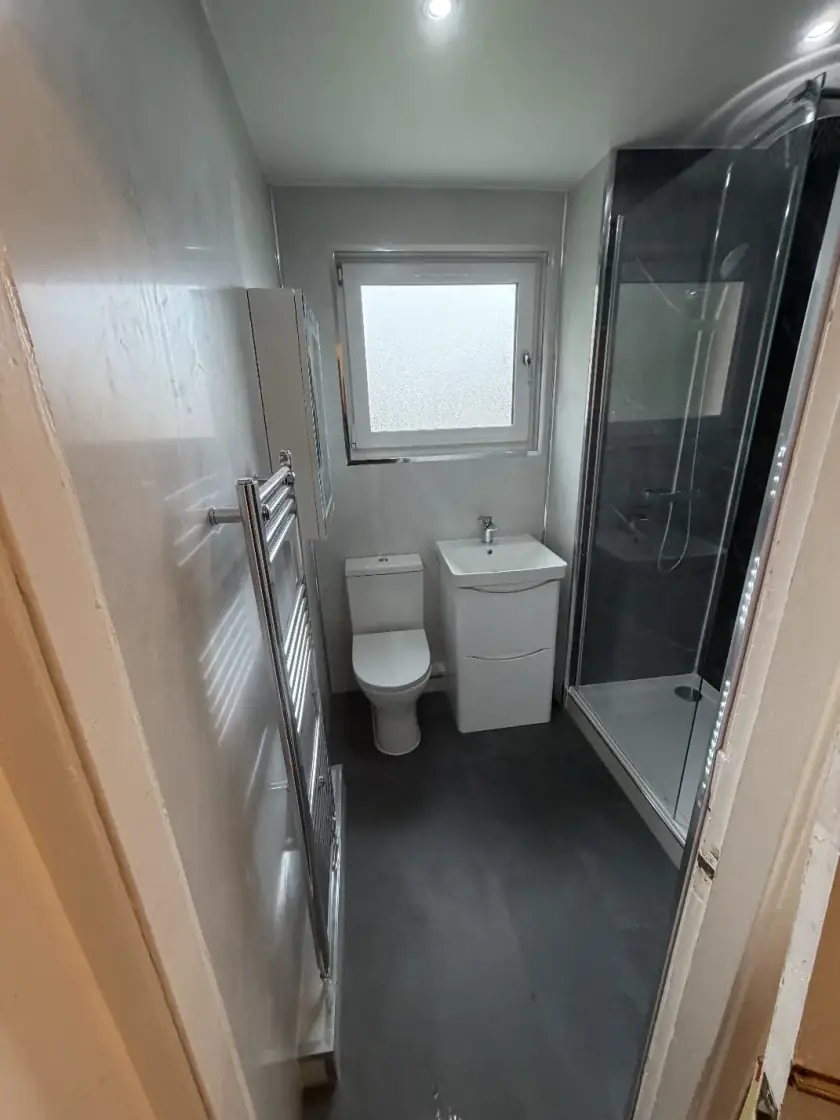
5. Check the final account against the agreed record
Before the job ends, compare the invoice with the accepted quotation and approved changes. Check that credits for omitted products or work are included where agreed. Ask about any item you do not understand. Keep the payment record, invoices and product details together. This is useful for future repairs as well as for confirming the amount due now, and avoids relying on memory of conversations during a busy installation.
Use the handover to confirm any outstanding work, its expected completion and who to contact. Keep product and installation guarantee information separately where their terms differ. For help preparing the home and organising deliveries, read our installation preparation checklist. Call Dream Bathrooms Glasgow on 0141 471 9145 to discuss your bathroom, the improvements you need and the budget available before products or dates are committed.
Plan your bathroom in Glasgow
Talk through your room, the changes you want and the work that needs to be included.