
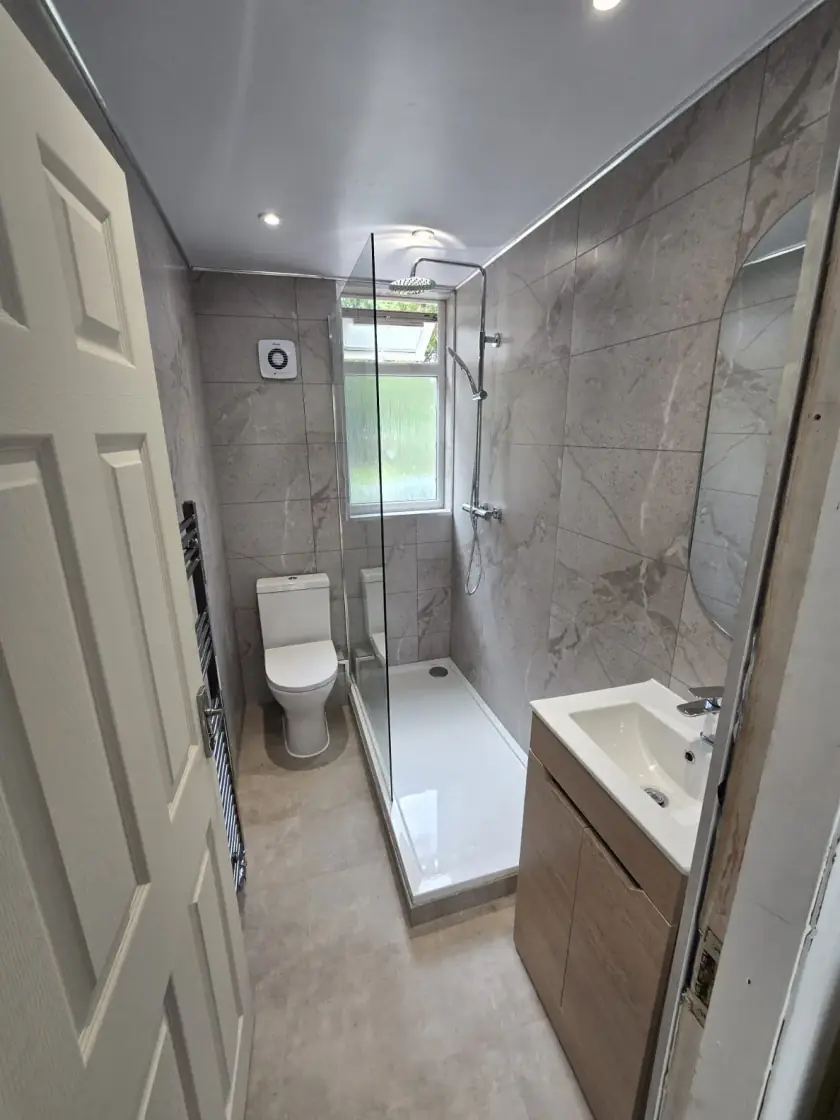
Five Checks Before Buying a Better Shower in Glasgow
Updated 11 October 2026
A more expensive shower is worthwhile only if it works with your water system and improves daily use. Before choosing a premium model for your Glasgow bathroom, check the supply, controls, enclosure, servicing and complete installation cost. Those details matter more than the number of advertised features.
1. Check the water system before the product
Ask the installer to identify the hot water system and assess the available pressure and flow. These are different measurements, and both can matter to shower performance. A product's suitability cannot be decided from the home's age or a general description of Glasgow water pressure. The actual model needs to match the actual supply.
Explain what disappoints you about the current shower. Weak flow, changing temperature and slow hot water arrival can have different causes. Replacing the visible head may not solve them. A thermostatic mixer does not boost inadequate flow, and a pump is not suitable for every arrangement. Have the cause and proposed solution explained before agreeing an upgrade.
If you want two outlets running together, confirm that both the valve and supply support that use. Ask for the complete shower specification to be recorded, including heads and controls. Keep those parts together when comparing options. Changing one component after the system has been checked can alter what the shower needs to operate properly.
2. Try the controls and spray choices
A shower should be straightforward to start, adjust and turn off. Try the controls where possible, paying attention to grip and markings. A small smooth knob may be harder to use than a larger lever. Think about everyone who uses the bathroom, including visitors and anyone with limited movement or difficulty seeing small labels.
An adjustable handheld shower can suit people of different heights and help with rinsing. An overhead head provides a different spray position, but its size does not guarantee a better experience. Ask which settings the actual product offers rather than assuming every rainfall head has several modes. Choose features you expect to use regularly.
Digital controls may provide useful functions, but check the exact model, power requirements, service access and ordinary operation. Find out whether daily use depends on an app or connection and what happens if that is unavailable. Simple, reliable controls may be preferable to extra settings that add complexity without improving the household's routine.
3. Plan the whole shower space
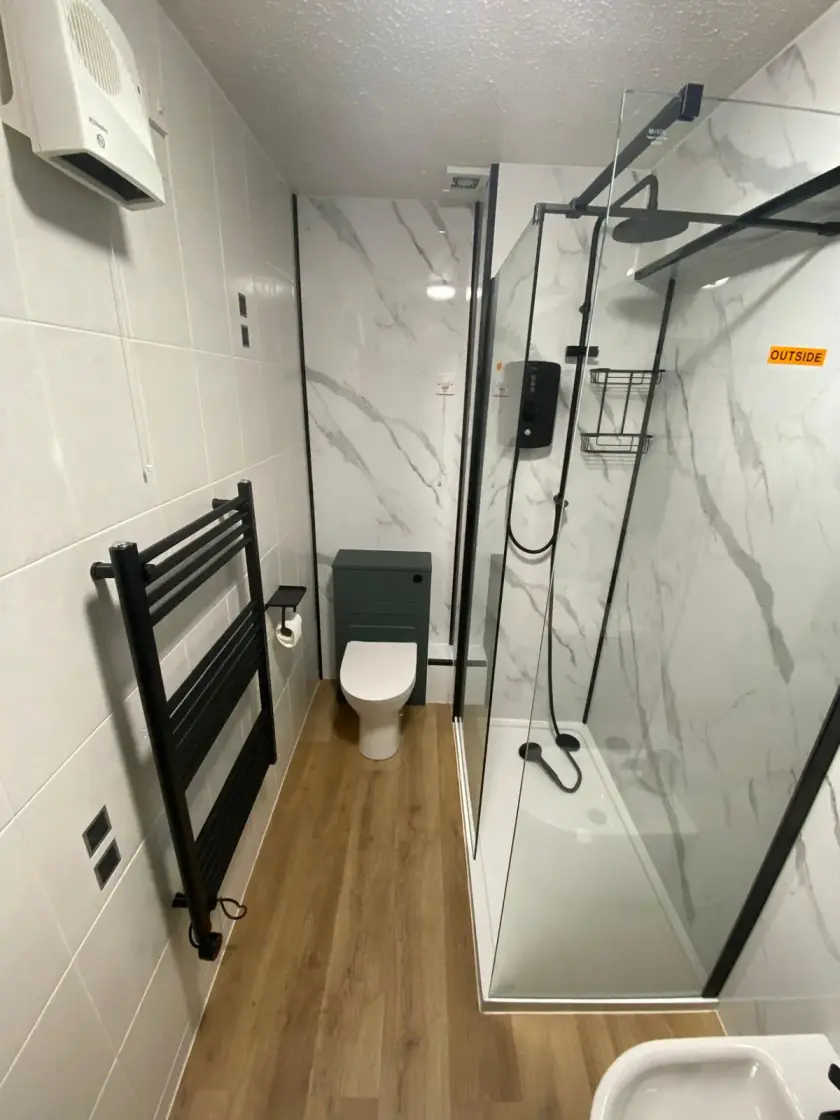
Check the enclosure's internal standing room and entrance width alongside the chosen shower. Headroom matters for an overhead fitting, particularly beneath a sloping ceiling or above a bath. Position the spray so the enclosure can contain it. A large head in a small open shower can create a problem on the surrounding floor.
Place controls, a towel and shampoo storage where they can be reached comfortably. A planned shelf or niche can be useful, but it must suit the wall construction and waterproofing. A low tray and a level floor are different arrangements with different installation requirements. Choose after the waste route and floor have been assessed.
Our single and dual shower comparison can help narrow the outlet choice. Keep accessibility needs in the full layout discussion rather than assuming an expensive valve or open enclosure meets them. The entrance, floor, controls and any support must suit the individual using the shower.
4. Check cleaning and replacement parts
Ask how the head, hose and finish should be cleaned. Different coatings and materials can have different restrictions, so do not assume a familiar limescale remover is suitable. A high overhead head also needs a practical cleaning method. Choose a finish you like and are prepared to maintain, rather than relying on broad claims that it never marks.
For a concealed shower, establish how parts that may need repair are reached after the wall is finished. Keep access to any separate processor or valves as required. Ask about identifiable replacement cartridges, hoses and controls. A neat appearance is useful, but routine maintenance should not depend on unnecessary damage to the surrounding bathroom.
Read the product's written guarantee and conditions instead of treating a long headline guarantee as proof of everything being included. Parts, finishes and labour may have different arrangements. Save the model numbers and installation documents at handover. Those details help the supplier or installer identify the right part if a repair is needed later.
5. Compare the full cost and actual use
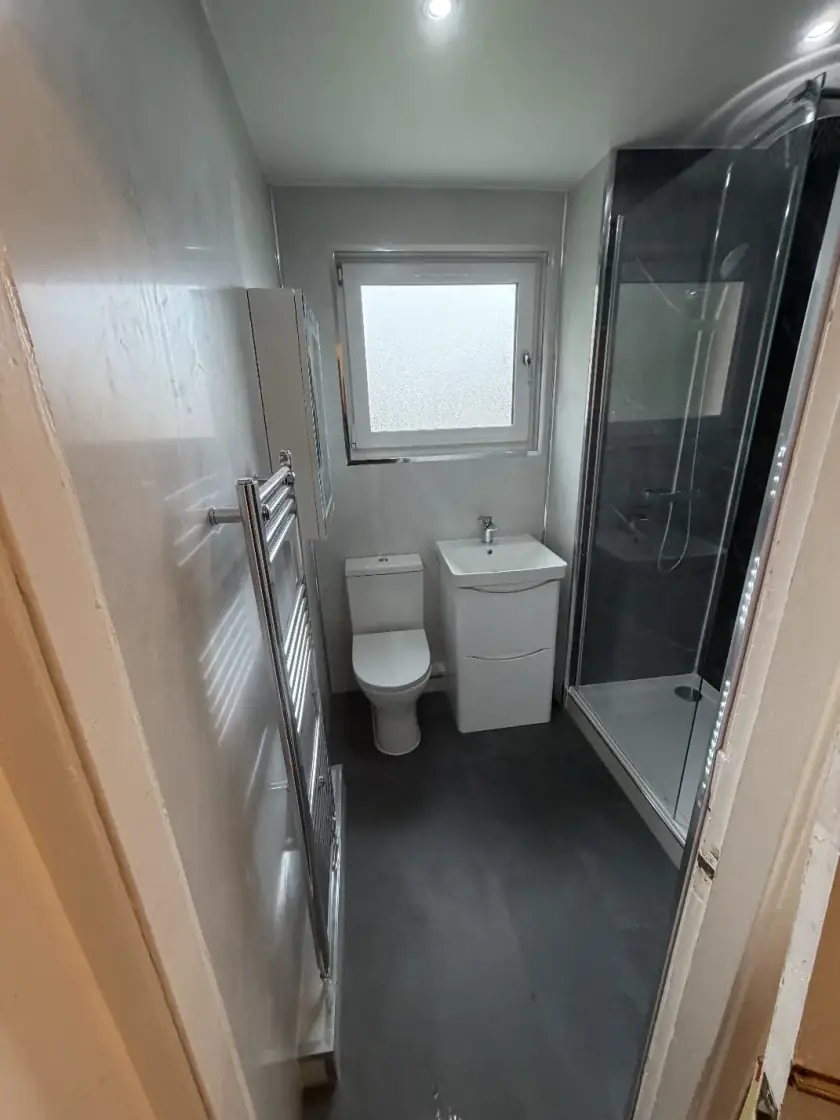
Include the shower, enclosure changes, plumbing, electrical work where needed, wall preparation and repairs to walls and floors disturbed by the work in the comparison. A product price can leave out much of the finished job. Ask which changes are necessary for the selected system and which are optional. Keep enough of the budget for proper preparation and installation.
Water and energy use depend on flow, shower duration and how the hot water is supplied. A premium label does not establish savings, and running more outlets can increase demand. Only use replacement heads or restrictors permitted for the shower. Compare relevant product information and realistic household use rather than promises of automatic reductions in bills.
Our bathroom installation service in Glasgow can help you discuss a suitable shower and the surrounding work. Bring details of any shortlisted products and describe the improvement you want. Call Dream Bathrooms Glasgow on 0141 471 9145 to plan an upgrade that fits the room, water system and people using it.
Plan your bathroom in Glasgow
Talk through your room, the changes you want and the work that needs to be included.